The Surprising Role of Retractable Conveyors in Recycling Facilities

Transfer Conveyors Vs. Gravity Conveyors: Which One is Right for Your E-Commerce Warehouse?
March 15, 2025
Can Conveyor Systems Improve Allergen Control in Food Manufacturing?
March 30, 2025
Systematic recycling facilities rely on specialized conveyors to handle waste sorting and processing. The conveyors enable a smooth flow of materials through different stages, improving the sorting procedure and productivity.
Retractable conveyors, in particular, play a key role by directing recyclable materials precisely where needed, extending or retracting based on the workflow. By automating material movement, these systems help reduce manual labour, operational costs, and workplace risks. Recycling firms that adopt conveyors often see faster throughput and better sorting accuracy.
The Importance of a Retractable Conveyor in Sorting Operations
Sorting operations require flexibility to manage various types of waste. A retractable conveyor allows for precise discharge points by reducing contamination. Moreover, these conveyors ensure that the materials are sorted correctly without manual intervention.
Facilities processing high volumes of recyclables rely on these systems to maintain a steady workflow. These conveyors adapt to changing material streams, enabling real-time adjustments that improve sorting accuracy. This equipment thereby reduces the chances of sending recyclable materials to landfills.
Flat Belt Conveyor Vs. Roller Conveyor: Which Works Best for Recycling?
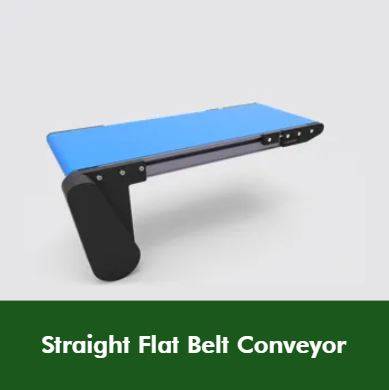
Flat belt conveyors are the standard base for retractable systems due to their flexibility and smooth operation.
Choosing the right conveyor depends on the type of waste being processed.
- Flat belt conveyor: Best for lightweight materials such as paper, plastic, and aluminum cans. Additionally, it provides a smooth platform for convenient transferring.
- Roller conveyor: Not retractable, but suitable for handling heavier materials like glass and metal scraps. Moreover, these conveyors facilitate effortless motion while reducing friction.
While both conveyor types serve essential roles, flat belt conveyors are commonly preferred in recycling due to their ability of being retractable and handling mixed materials. Their simple design requires minimal maintenance, making them an ideal choice for waste facilities.
How Belt Conveyor Manufacturers Improve Waste Processing Efficiency
Belt conveyor manufacturers support recycling by building systems that improve sorting and keep things moving.
- Leading belt conveyor manufacturers design conveyors with durability and efficiency.
- Features like adjustable speeds and custom lengths help recycling facilities boost output.
- High-quality materials ensure longevity, even under constant use.
- Modular conveyor designs allow recycling plants to reconfigure pre-existing systems as processing demands change.
- Customization options, including variable speed controls and automated diverters, further improve waste separation and material handling.
The Use of AI and Sensors in Modern Conveyor Sorting Systems
AI and sensor technology work hand in hand with retractable conveyors to automate and refine the recycling process at every stage.
- Advanced sorting systems integrate AI and sensors to detect and separate materials more accurately.
- These AI technologies work alongside retractable conveyors to improve waste diversion rates.
- Automated adjustments decrease the need for manual sorting, reducing errors and increasing productivity.
- AI-powered conveyors can identify different materials based on colour, weight, and composition, guaranteeing a more precise separation procedure.
- Sensors help detect contaminants and remove non-recyclable materials before they enter the next stage of processing. These upgrades improve recycling rates and decrease wastewater contamination.
Custom-Built Conveyors for Sustainable Waste Management
Recycling companies benefit from custom-built conveyors designed for their specific needs. Whether handling mixed recyclables or bulky waste, these systems boost productivity and support eco-friendly goals. From space-saving setups to heavy-duty options, custom conveyors help businesses reduce waste and work more sustainably.
Looking for reliable conveyor solutions? Contact CONOVEY today to find the right conveyor solutions designed for recycling and waste management applications.


- Various Drive Options
- Tapered Rollers also available
- Optional Polyurethane sleeving
- Variable speed is standard
- Safe low voltage & wide range of speeds
- 1201/1202 | Belt Rollers, Single or Double Groove Light/Medium Duty Conveyors Rollers, Custom Made Grooves | ⌀50mm Roller | ⌀11mm, ⌀14mm Shafts
- 1203 | Belt Pulley Rollers, Light/Medium Duty Conveyor Rollers | ⌀50mm Roller | ⌀11mm, ⌀14mm Shafts
- Suitable for wide range of application for Buffer or accumulation require
- Single drive with start/stop application suitable
- Single or double 14 teeth x 1/2” sprockets can be fitted (choice of steel or nylon sprockets)
- Mild steel and stainless steel options
- Stainless steel options available for all fixed driven conveyor rollers
- 1301/1302 | Polymer sprocket rollers, single or double sprocket, low running noise, polyamide bearing housing | 50mm Dia | ⌀14mm Shaft
- 1303/1304 | Steel sprocket, single or double sprocket, polyamide bearing housing | ⌀50mm Roller | ⌀14mm Shafts
- 1305/1306 | Steel sprocket, adjustable torque, single or double sprocket, polyamide/steel bearing housing | ⌀50mm, ⌀60mm, ⌀76 mm Rollers | ⌀14mm, ⌀15mm, ⌀20mm Shafts
- 1201/1202 | belt rollers, single or double groove light/medium duty conveyor rollers, custom made groove | ⌀50mm Roller | ⌀11mm, ⌀14mm Shafts
- 1203 | Belt Pulley Rollers, Light/Medium Duty Conveyor Rollers | ⌀50mm Roller | ⌀11mm, ⌀14mm Shafts
- Single and Double Grooves option
- Light and medium duty driven roller fitter with nylon O ring sprocket
- Line-shaft and 24V DC motorized rollers conveyors
- Mild steel, stainless steel and plastic options
- Stainless steel options available for all fixed driven conveyor rollers
- Free running bearings
- Wide range of tube and shaft options
- Wide range to handle from 100gm to 500kg per roller capacity
- Mild steel, stainless steel and plastic options
- Our most economical price rollers
- 1101 | PVC tube, polyamide bearing housing, light duty conveyor rollers | ⌀25mm, ⌀38mm, ⌀50mm Rollers | ⌀10mm, ⌀12mm Shafts
- 1102 | Light and medium duty universal conveyor rollers, polyamide bearing housing | ⌀25mm, ⌀38mm, ⌀50mm, ⌀76mm, ⌀89mm Rollers | ⌀14mm, ⌀20mm Shafts
- 1103 | Gravity conveyor rollers, steel bearing housing | ⌀50mm, ⌀76mm, ⌀89mm Rollers | ⌀14mm, ⌀20mm Shafts
- 1201/1202 | belt rollers, single or double groove light/medium duty conveyor rollers, custom made groove | ⌀50mm Roller | ⌀11mm, ⌀14mm Shafts
- 1203 | Belt Pulley Rollers, Light/Medium Duty Conveyor Rollers | ⌀50mm Roller | ⌀11mm, ⌀14mm Shafts
- 1204 | Poly V belt pulley rollers, medium duty and high speed conveyor rollers | ⌀50mm Roller | ⌀11mm, ⌀14mm Shafts
- 1205 | Timing belt pulley rollers, medium duty and high speed conveyor rollers | ⌀50mm Roller | ⌀11mm, ⌀14mm Shafts
- 1206/1207 | Polymer sprocket rollers, single or double sprocket, medium duty and low running noise, polyamide bearing housing | ⌀50mm Roller | ⌀14mm Shafts
- 1208/1209 | Steel sprocket, single or double sprocket, medium/heavy duty conveying application, polyamide bearing housing | ⌀50mm, ⌀60mm, ⌀76mm Rollers, ⌀89mm Roller | ⌀14mm, ⌀15mm, ⌀20mm Shafts
- 1210/1211 | Steel sprocket, steel bearing housing, heavy duty conveying, strong and reliable | ⌀50mm, ⌀76mm, ⌀89mm Rollers | ⌀14mm, ⌀15mm, ⌀20mm Shafts
- Free running option for gravity roller conveyors.
- All tapered conveyor rollers have a sealed bearing option for wash-down areas
- 50mm diameter base roller can be grooved for line-shaft conveyors
- Tapered sleeve rollers to suits an inside radius of 500mm to 1200mm
- Single or double 14 teeth x 1/2” sprockets can be fitted (choice of steel or nylon sprockets)
- Mild steel and stainless steel options
- Stainless steel options available for all fixed driven conveyor rollers
- 1401 | Gravity tapered roller, attractive look and low noise | ⌀53mm, ⌀56mm, ⌀50mm Rollers | ⌀12mm, ⌀14mm Shafts
- 1402 | belt drive, Double grooved tapered sleeve roller, customized groove position | ⌀53mm, ⌀56mm, ⌀50mm Rollers | ⌀14mm Shaft
- 1403 | belt pulley drive, Double grooved O belt pulley tapered sleeve roller | ⌀53mm, ⌀56mm, ⌀50mm Rollers | ⌀14mm Shaft
- 1404 | Poly vee belt pulley drive tapered sleeve roller, high speed, low noise | ⌀53mm, ⌀56mm, ⌀50mm Rollers | ⌀14mm Shaft
- 1405 | Polymer sprocket drive tapered sleeve roller, medium duty, low noise | ⌀53mm, ⌀56mm, ⌀50mm Rollers | ⌀14mm Shaft
- Widths | 250mm, 350mm, 450mm, 650mm, 850mm |
- Lengths | 500mm, 1000mm, 1500mm, 2000mm, 2500mm |
- Max Pallet/Carrier Wgt (kg) | 50kg/250kg |
- Pallet Sizes | 238X306, 332X430, 428X550, 522X670 |
- Height Range | 500mm - 1000mm |
- Load Accuracy | +/-0.5mm Stop Unit | +/-0.1mm Locating Pin | +/-.05mm Lift & Locate |
- Roller Pitch | 82.5mm, 127mm, 150.8mm |
- Roller ⌀ | 50mm, 76mm |
- Max Length per Drive | 7500mm |
- Drive Motor Size | .5HP, 1HP | SEW |
- Drive Speeds | 2-24 mpm
- Frame Materials | Aluminum or Powder Coat Mild Steel
- High energy efficiency level with different load application
- Safe, affordable operation without the need for guarding
- Tight positioning tolerances thanks to high precision guide rails
- Active braking and lifting of the Pallets
- Unlimited zero pressure accumulation of Pallets
- Flexible speeds from 0.2 to 24m/min between communication points
- Constant 24V auxiliary power available for energy Saving
- Very limited preventative maintenance required
- No track maintenance due to no moving parts in the track
- Very low noise level, less than 60db(A)
- Easy tracking of the Carts/parts throughout the layout
- Highly standardized components
- Significantly reduced wiring and commissioning time
- Low profile for easy part access around the line
- Tip protection for overhanging loads optionally available
- Adaptable pallet length to fit the size of your part