How Conveyor Manufacturers Support Automation Strategy

What Industrial Buyers Should Know Before Partnering with Conveyor System Manufacturers
April 28, 2026
Modular Chain vs Fabric Belt: Selecting the Right Food Packaging Conveyor
May 7, 2026
A packaging line rarely underperforms because robotic equipment lacks speed. In most cases, inefficiencies arise when release, accumulation, and transfer logic are treated as secondary considerations. This often results in blocked infeed, starved downstream operations, and reduced throughput. Buyers evaluating conveyor manufacturers in Ontario require more than equipment specifications. A structured automation strategy must be built around layout, controls, sanitation, and long-term serviceability.
People Also Ask
What factors determine the lifespan of an industrial conveyor belt?
Belt material, load conditions, environmental exposure, design configuration, and maintenance practices all influence how long an industrial conveyor belt performs effectively.
How does conveyor design affect belt performance?
Pulley sizing, alignment, tensioning, and transfer-point configuration directly influence wear patterns, tracking stability, and overall belt reliability.
The Automation Landscape and Conveyor Manufacturers
Across consumer packaged goods and general manufacturing, capital investment is increasingly directed toward integrated material handling solutions rather than standalone transport equipment. Many facilities still rely on fragmented conveyor systems in canada, which can limit integration, visibility, and long-term scalability across production lines.
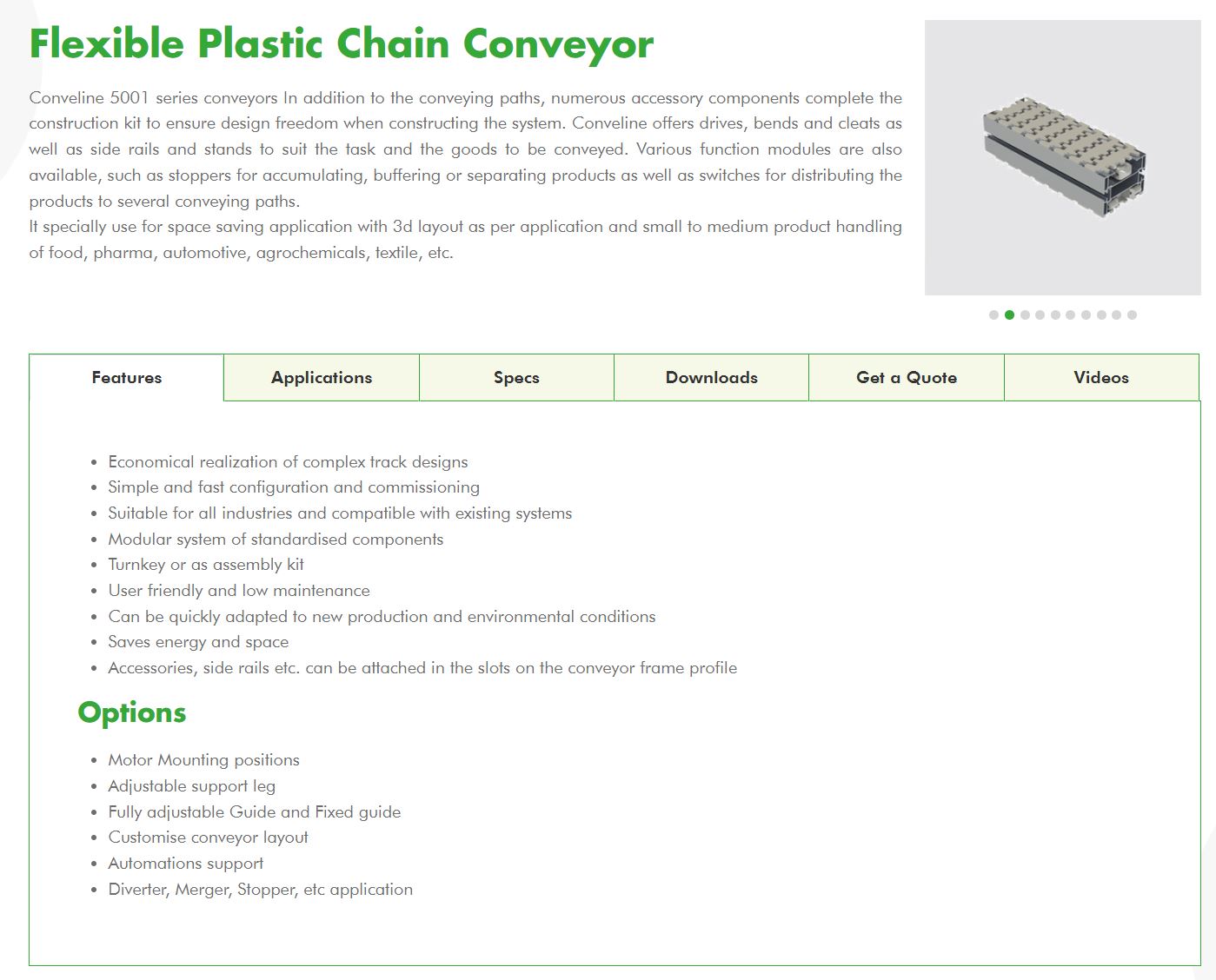
In beverage secondary packaging operations, modular plastic chain conveyors manage surges, maintain product orientation, and support consistent flow into robotic packing stages. This approach highlights an important tradeoff. Lower-cost add-ons may be deployed quickly, but they often limit future controls integration, sanitation upgrades, and operational consistency. As a result, conveyor manufacturers are evaluated based on their ability to support automation strategy rather than simply supplying components.
Why Robotics Integrators Rely on Conveyor Manufacturers to Solve Bottlenecks
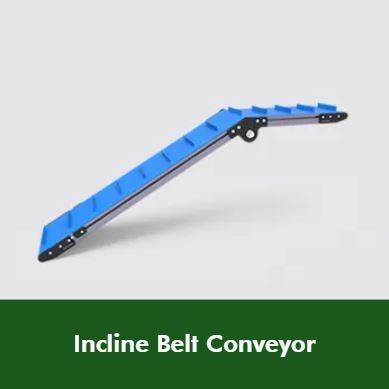
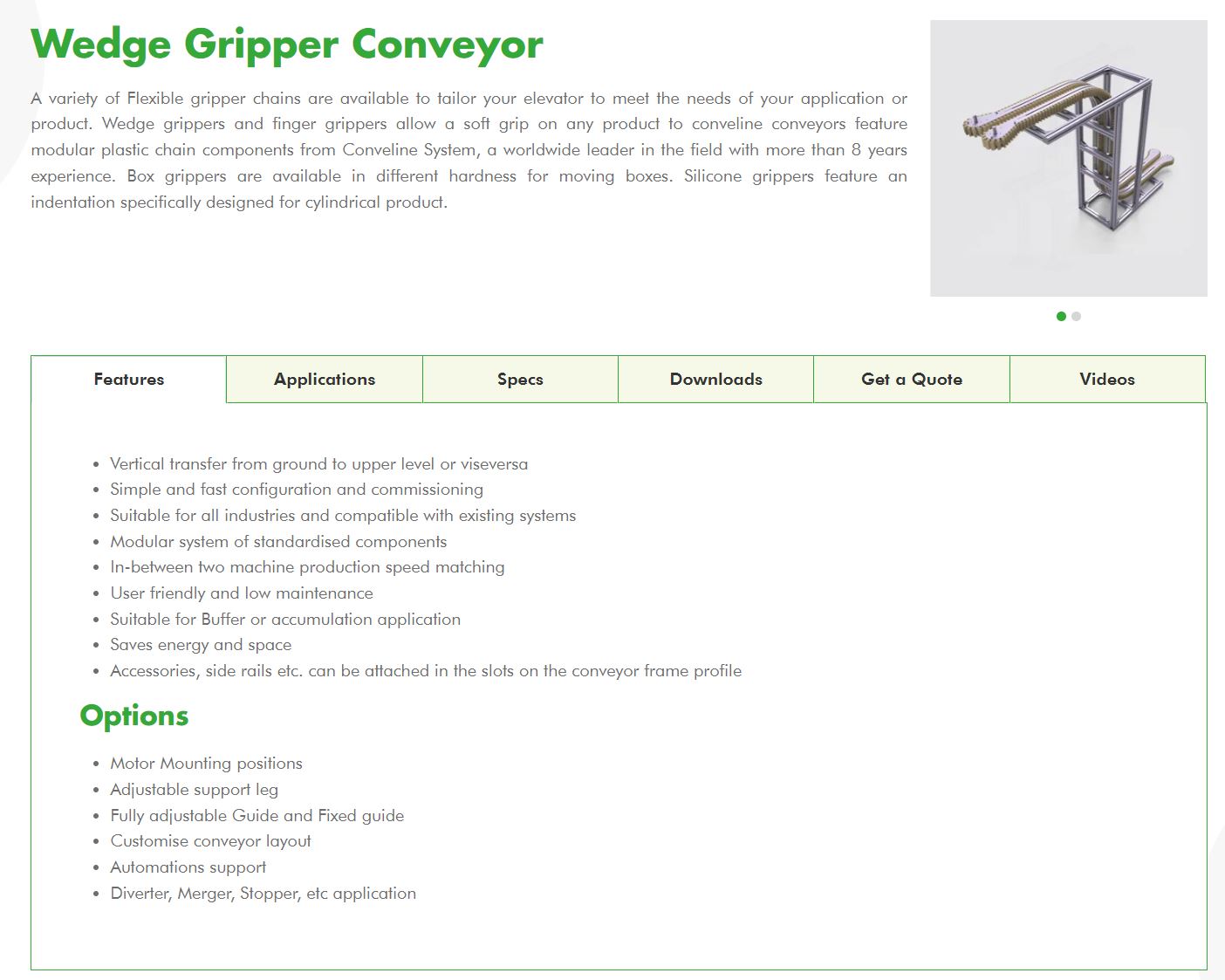
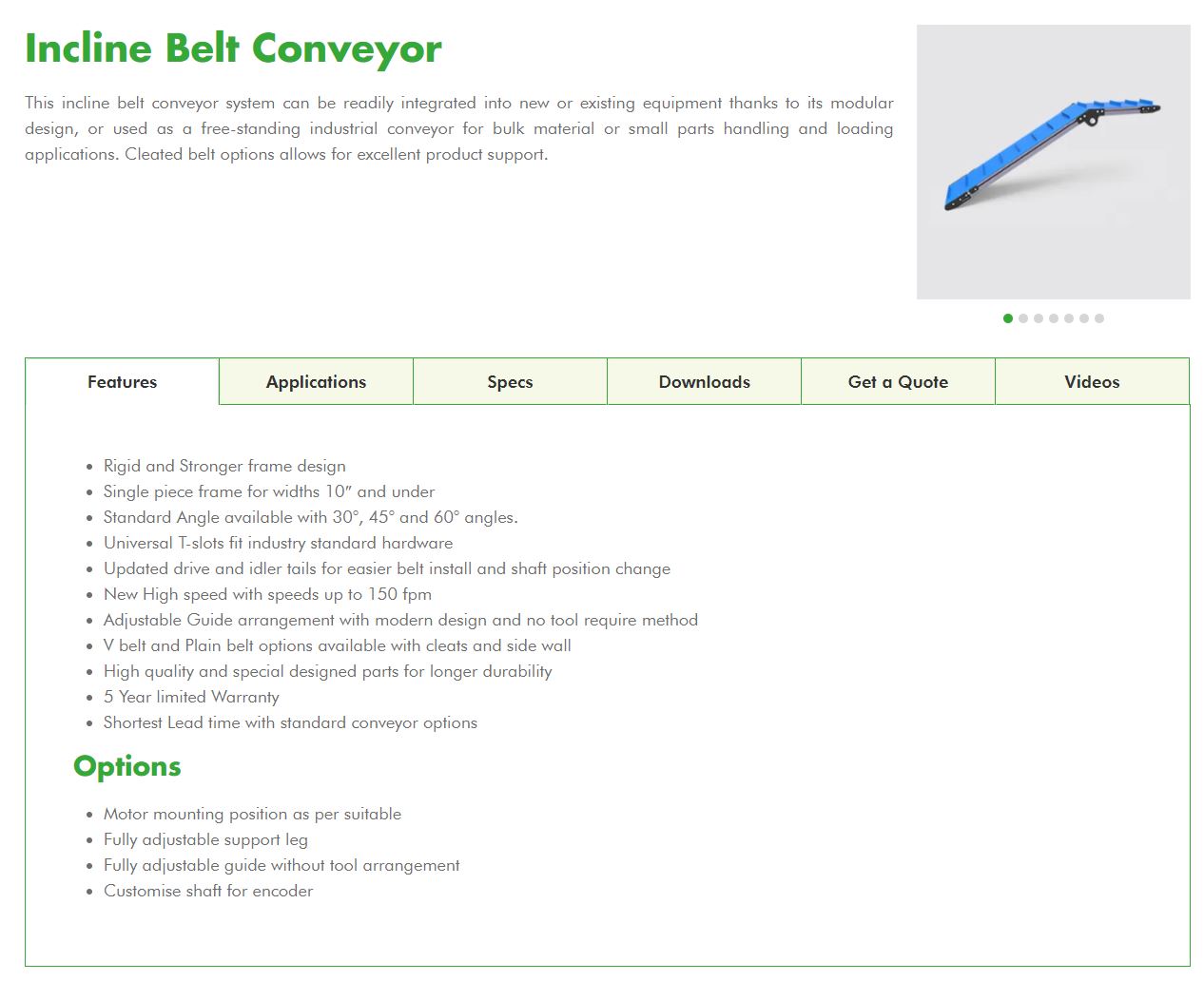
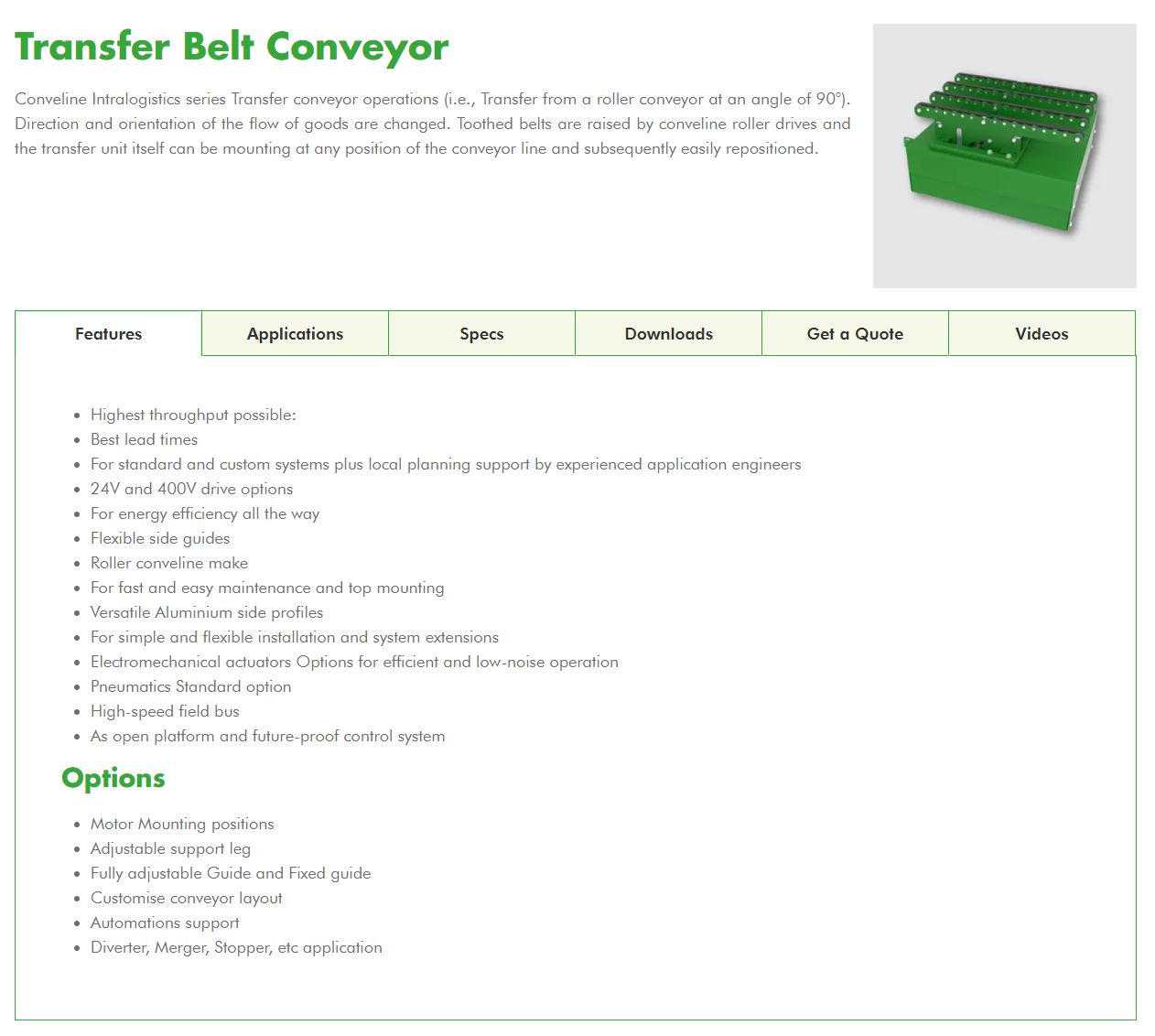
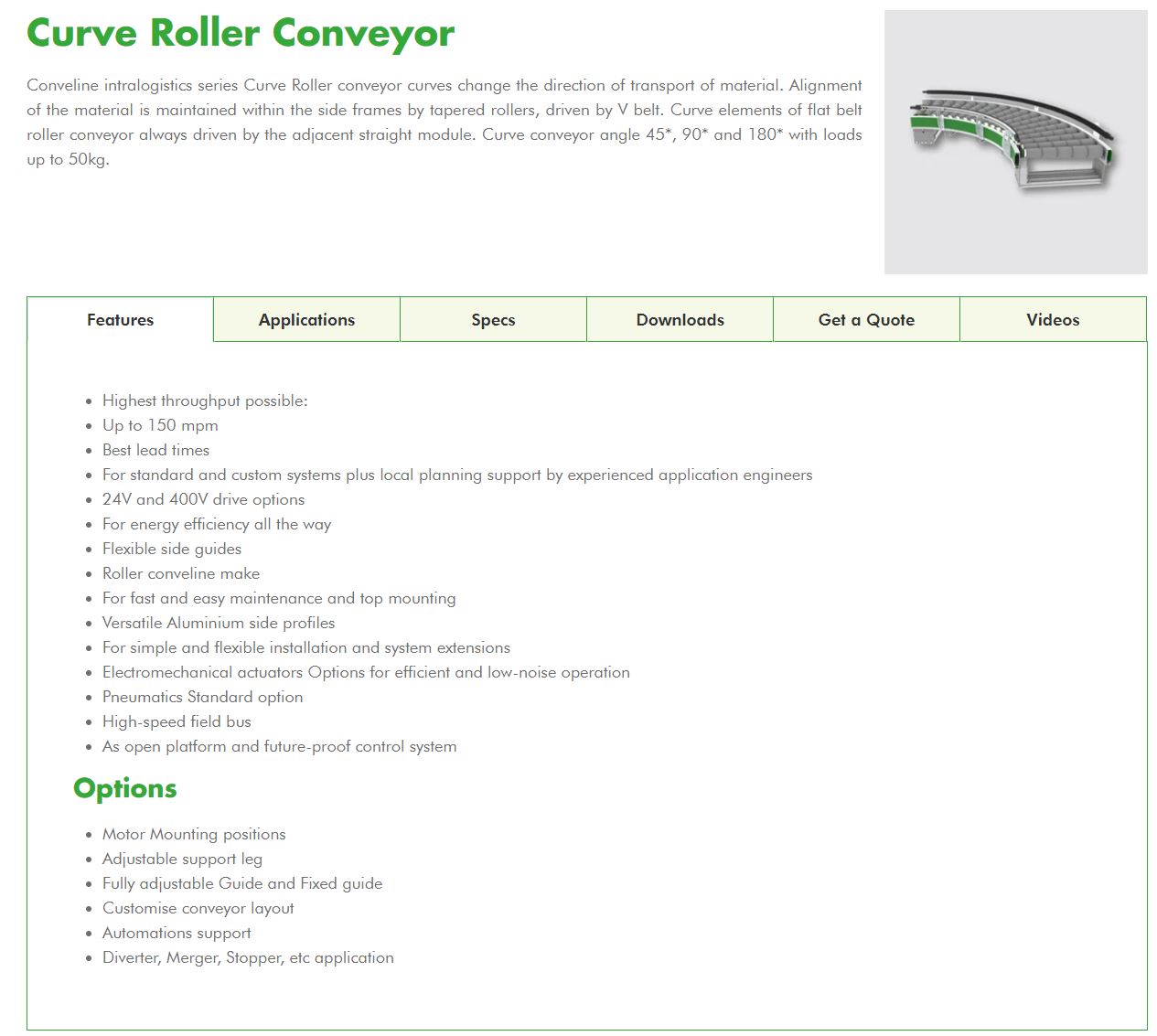
Throughput constraints typically occur at transfer points rather than within robotic operations. In constrained layouts, packaging line conveyors designed with inclines, curves, and vertical transitions help recover usable floor space and maintain continuous product movement.
In applications such as personal care packaging with frequent format changes, stable routing depends on:
- Adjustable guide systems
- Low-friction wear surfaces
- Balanced accumulation zones
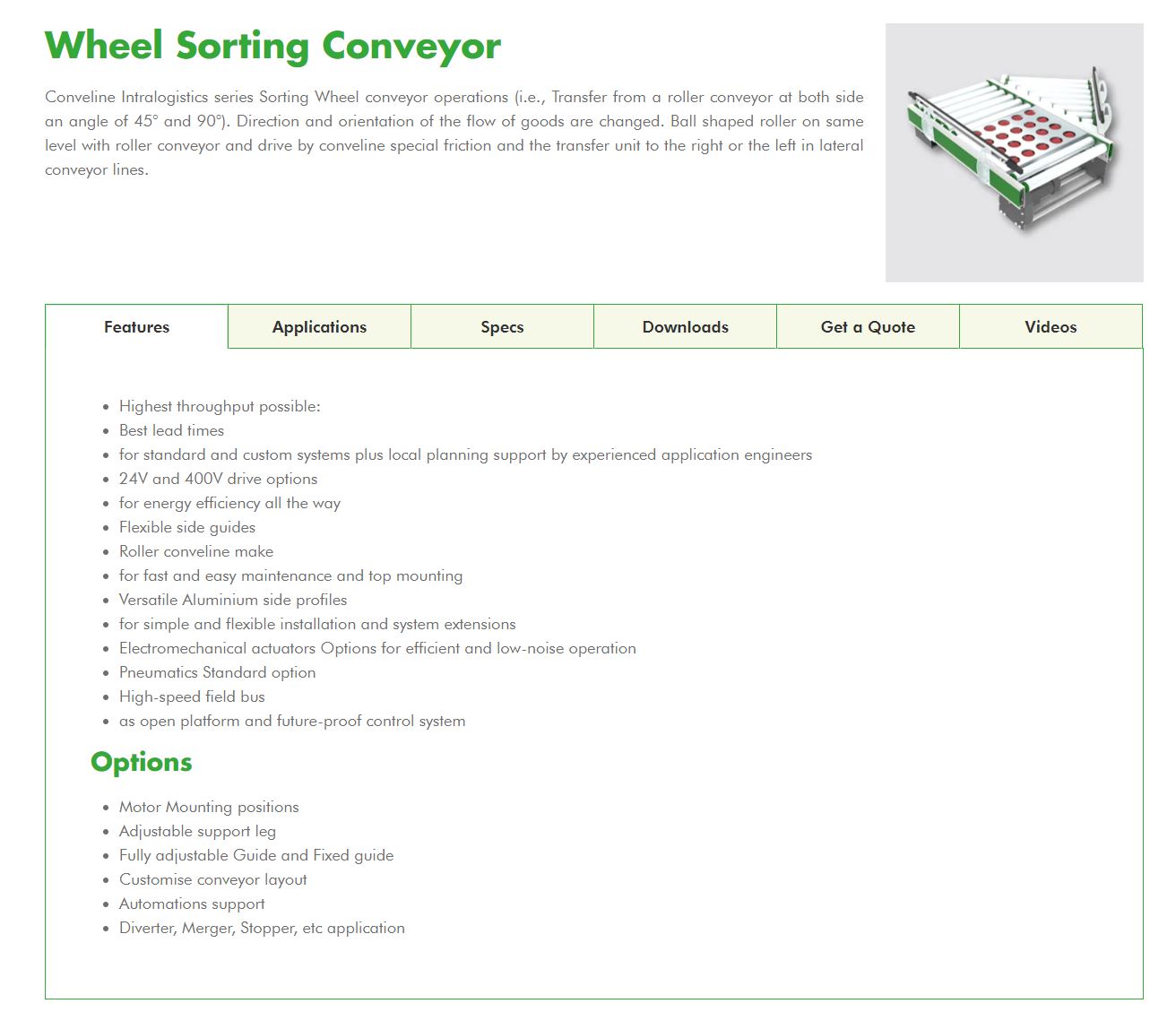
These elements reduce product instability and minimize interruptions. Modularity remains a critical factor, as fixed routing configurations increase labor demands and introduce congestion during changeovers. For this reason, conveyor manufacturers that support adaptable layouts play a key role in maintaining consistent throughput.
How Conveyor Manufacturers Engineer High-Performance Material Handling Solutions
Engineering quality becomes evident during the early design phase. Leading providers model full product paths using detailed CAD environments, allowing potential interferences to be identified before fabrication begins. Early file exchange and validation reduce downstream installation challenges.
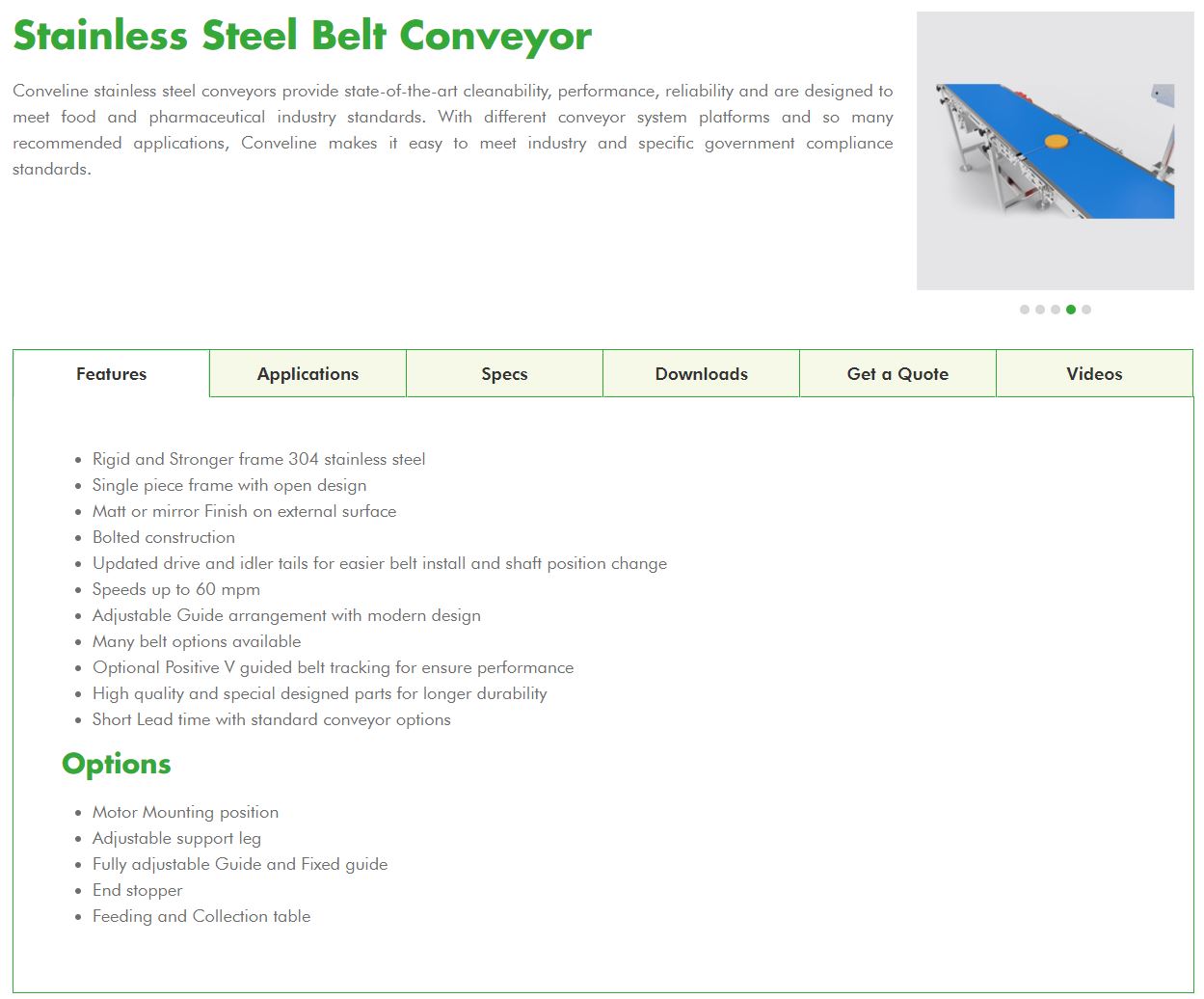
In food and protein processing environments, automated conveyors are designed with:
- Washdown-ready frames
- Appropriate ingress protection ratings
- Cleanable geometries
These design elements support regulatory compliance while maintaining operational stability. When sanitation, speed, and maintainability are balanced effectively, long-term operational risk is reduced.
Implementation Steps for Integrating Automated Conveyors with Advanced Robotics
Successful integration depends on alignment between controls, safety, and diagnostic visibility. Automation architecture performs best when PLC programming, drive systems, and monitoring interfaces operate within a unified framework.
Key integration elements include:
- Coordinated control logic across material flow points
- Real-time visibility through HMI and plant monitoring tools
- Fault detection mechanisms linked to system performance
In frozen food processing operations, remote diagnostics help distinguish between contamination-related sensor issues and mechanical load variations. This reduces unnecessary intervention and supports faster resolution. Facilities implementing centralized monitoring and guided recovery procedures can support improved maintenance response and reduced operational disruption.
Next Steps for Partnering with Conveyor Manufacturing Companies
Total cost is influenced by long-term serviceability rather than initial purchase value alone. When evaluating conveyor manufacturing companies, several factors require consideration:
- Warranty structure and coverage clarity
- Availability of replacement components
- Preventive maintenance planning
- Ongoing engineering support
A structured approach to automation includes custom layouts, alignment with processing requirements, and the use of modular components that simplify long-term maintenance.
For operations assessing conveyor manufacturers in Ontario, the next step involves developing a tailored automation blueprint. This approach focuses on controls compatibility, load handling requirements, safe product flow, and sustained operational performance.
Connect with Conovey to review automation requirements and develop a material handling strategy aligned with production goals.


- Various Drive Options
- Tapered Rollers also available
- Optional Polyurethane sleeving
- Variable speed is standard
- Safe low voltage & wide range of speeds
- 1201/1202 | Belt Rollers, Single or Double Groove Light/Medium Duty Conveyors Rollers, Custom Made Grooves | ⌀50mm Roller | ⌀11mm, ⌀14mm Shafts
- 1203 | Belt Pulley Rollers, Light/Medium Duty Conveyor Rollers | ⌀50mm Roller | ⌀11mm, ⌀14mm Shafts
- Suitable for wide range of application for Buffer or accumulation require
- Single drive with start/stop application suitable
- Single or double 14 teeth x 1/2” sprockets can be fitted (choice of steel or nylon sprockets)
- Mild steel and stainless steel options
- Stainless steel options available for all fixed driven conveyor rollers
- 1301/1302 | Polymer sprocket rollers, single or double sprocket, low running noise, polyamide bearing housing | 50mm Dia | ⌀14mm Shaft
- 1303/1304 | Steel sprocket, single or double sprocket, polyamide bearing housing | ⌀50mm Roller | ⌀14mm Shafts
- 1305/1306 | Steel sprocket, adjustable torque, single or double sprocket, polyamide/steel bearing housing | ⌀50mm, ⌀60mm, ⌀76 mm Rollers | ⌀14mm, ⌀15mm, ⌀20mm Shafts
- 1201/1202 | belt rollers, single or double groove light/medium duty conveyor rollers, custom made groove | ⌀50mm Roller | ⌀11mm, ⌀14mm Shafts
- 1203 | Belt Pulley Rollers, Light/Medium Duty Conveyor Rollers | ⌀50mm Roller | ⌀11mm, ⌀14mm Shafts
- Single and Double Grooves option
- Light and medium duty driven roller fitter with nylon O ring sprocket
- Line-shaft and 24V DC motorized rollers conveyors
- Mild steel, stainless steel and plastic options
- Stainless steel options available for all fixed driven conveyor rollers
- Free running bearings
- Wide range of tube and shaft options
- Wide range to handle from 100gm to 500kg per roller capacity
- Mild steel, stainless steel and plastic options
- Our most economical price rollers
- 1101 | PVC tube, polyamide bearing housing, light duty conveyor rollers | ⌀25mm, ⌀38mm, ⌀50mm Rollers | ⌀10mm, ⌀12mm Shafts
- 1102 | Light and medium duty universal conveyor rollers, polyamide bearing housing | ⌀25mm, ⌀38mm, ⌀50mm, ⌀76mm, ⌀89mm Rollers | ⌀14mm, ⌀20mm Shafts
- 1103 | Gravity conveyor rollers, steel bearing housing | ⌀50mm, ⌀76mm, ⌀89mm Rollers | ⌀14mm, ⌀20mm Shafts
- 1201/1202 | belt rollers, single or double groove light/medium duty conveyor rollers, custom made groove | ⌀50mm Roller | ⌀11mm, ⌀14mm Shafts
- 1203 | Belt Pulley Rollers, Light/Medium Duty Conveyor Rollers | ⌀50mm Roller | ⌀11mm, ⌀14mm Shafts
- 1204 | Poly V belt pulley rollers, medium duty and high speed conveyor rollers | ⌀50mm Roller | ⌀11mm, ⌀14mm Shafts
- 1205 | Timing belt pulley rollers, medium duty and high speed conveyor rollers | ⌀50mm Roller | ⌀11mm, ⌀14mm Shafts
- 1206/1207 | Polymer sprocket rollers, single or double sprocket, medium duty and low running noise, polyamide bearing housing | ⌀50mm Roller | ⌀14mm Shafts
- 1208/1209 | Steel sprocket, single or double sprocket, medium/heavy duty conveying application, polyamide bearing housing | ⌀50mm, ⌀60mm, ⌀76mm Rollers, ⌀89mm Roller | ⌀14mm, ⌀15mm, ⌀20mm Shafts
- 1210/1211 | Steel sprocket, steel bearing housing, heavy duty conveying, strong and reliable | ⌀50mm, ⌀76mm, ⌀89mm Rollers | ⌀14mm, ⌀15mm, ⌀20mm Shafts
- Free running option for gravity roller conveyors.
- All tapered conveyor rollers have a sealed bearing option for wash-down areas
- 50mm diameter base roller can be grooved for line-shaft conveyors
- Tapered sleeve rollers to suits an inside radius of 500mm to 1200mm
- Single or double 14 teeth x 1/2” sprockets can be fitted (choice of steel or nylon sprockets)
- Mild steel and stainless steel options
- Stainless steel options available for all fixed driven conveyor rollers
- 1401 | Gravity tapered roller, attractive look and low noise | ⌀53mm, ⌀56mm, ⌀50mm Rollers | ⌀12mm, ⌀14mm Shafts
- 1402 | belt drive, Double grooved tapered sleeve roller, customized groove position | ⌀53mm, ⌀56mm, ⌀50mm Rollers | ⌀14mm Shaft
- 1403 | belt pulley drive, Double grooved O belt pulley tapered sleeve roller | ⌀53mm, ⌀56mm, ⌀50mm Rollers | ⌀14mm Shaft
- 1404 | Poly vee belt pulley drive tapered sleeve roller, high speed, low noise | ⌀53mm, ⌀56mm, ⌀50mm Rollers | ⌀14mm Shaft
- 1405 | Polymer sprocket drive tapered sleeve roller, medium duty, low noise | ⌀53mm, ⌀56mm, ⌀50mm Rollers | ⌀14mm Shaft
- Widths | 250mm, 350mm, 450mm, 650mm, 850mm |
- Lengths | 500mm, 1000mm, 1500mm, 2000mm, 2500mm |
- Max Pallet/Carrier Wgt (kg) | 50kg/250kg |
- Pallet Sizes | 238X306, 332X430, 428X550, 522X670 |
- Height Range | 500mm - 1000mm |
- Load Accuracy | +/-0.5mm Stop Unit | +/-0.1mm Locating Pin | +/-.05mm Lift & Locate |
- Roller Pitch | 82.5mm, 127mm, 150.8mm |
- Roller ⌀ | 50mm, 76mm |
- Max Length per Drive | 7500mm |
- Drive Motor Size | .5HP, 1HP | SEW |
- Drive Speeds | 2-24 mpm
- Frame Materials | Aluminum or Powder Coat Mild Steel
- High energy efficiency level with different load application
- Safe, affordable operation without the need for guarding
- Tight positioning tolerances thanks to high precision guide rails
- Active braking and lifting of the Pallets
- Unlimited zero pressure accumulation of Pallets
- Flexible speeds from 0.2 to 24m/min between communication points
- Constant 24V auxiliary power available for energy Saving
- Very limited preventative maintenance required
- No track maintenance due to no moving parts in the track
- Very low noise level, less than 60db(A)
- Easy tracking of the Carts/parts throughout the layout
- Highly standardized components
- Significantly reduced wiring and commissioning time
- Low profile for easy part access around the line
- Tip protection for overhanging loads optionally available
- Adaptable pallet length to fit the size of your part