What Is a Food Packaging Conveyor? Systems, Applications, and Line Benefits

What Are Conveyor Components? A Complete Breakdown of Essential System Parts
December 18, 2025
Modern food production lines depend on consistency, speed, and hygiene to meet growing demand and strict regulatory expectations. A food packaging conveyor plays a central role in maintaining this balance by smoothly moving products through the filling, sealing, labeling, and packing stages. When designed correctly, these systems help packaging lines operate with precision while minimizing manual handling and contamination risks.
Behind every efficient packaging line is a conveyor system engineered to match product type, line speed, and sanitation requirements. From baked goods to frozen meals, food packaging conveyors support continuous movement while protecting product integrity and maintaining process control throughout the packaging cycle.
What Is a Food Packaging Conveyor?
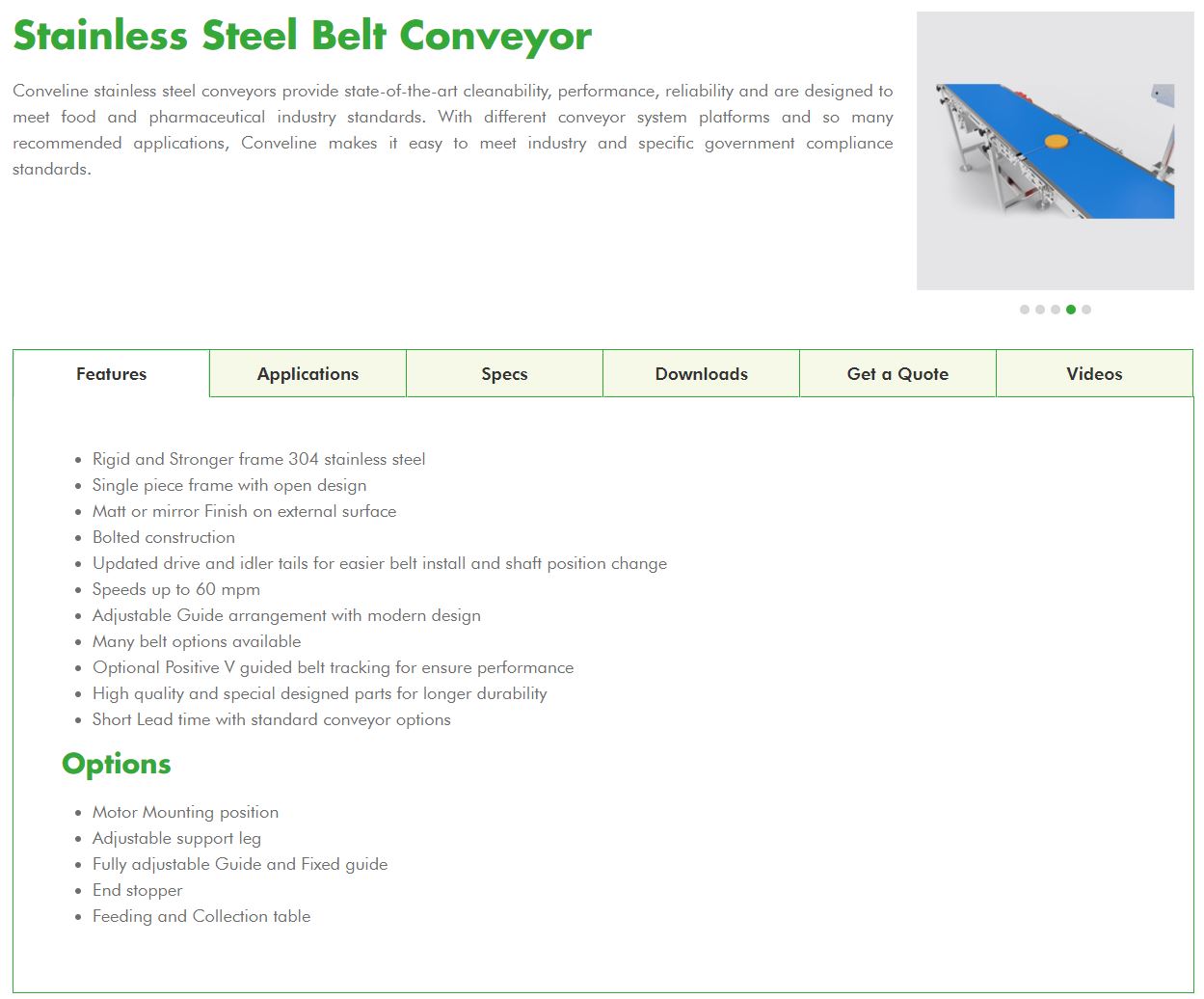
A food packaging conveyor is a material-handling system designed to transport food products through packaging operations. These systems move items between the processing, packaging, inspection, and distribution stages in a controlled, hygienic manner. Unlike general-purpose conveyors, food packaging conveyors are built with materials, finishes, and configurations that support washdown, sanitation, and compliance with food safety regulations.
The food packaging conveyor belt is a key element within the system, providing a stable surface that supports products without absorbing moisture or harboring contaminants. Belt selection and system layout are critical to ensuring smooth transitions and consistent product spacing.
Key Systems Used in Food Packaging Conveyors
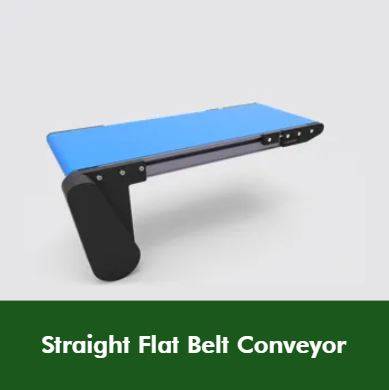
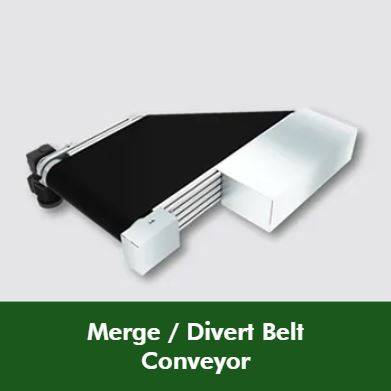
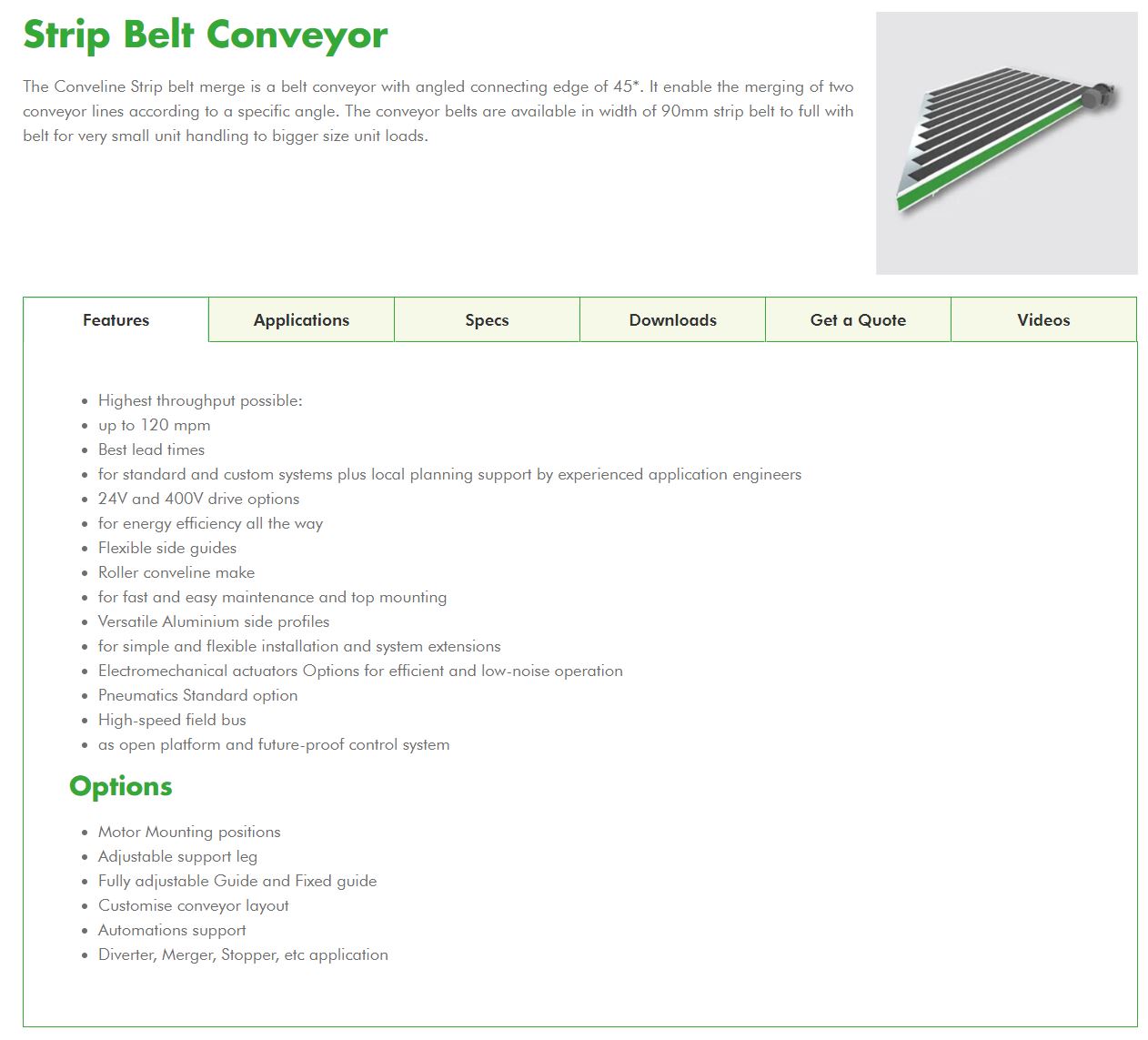
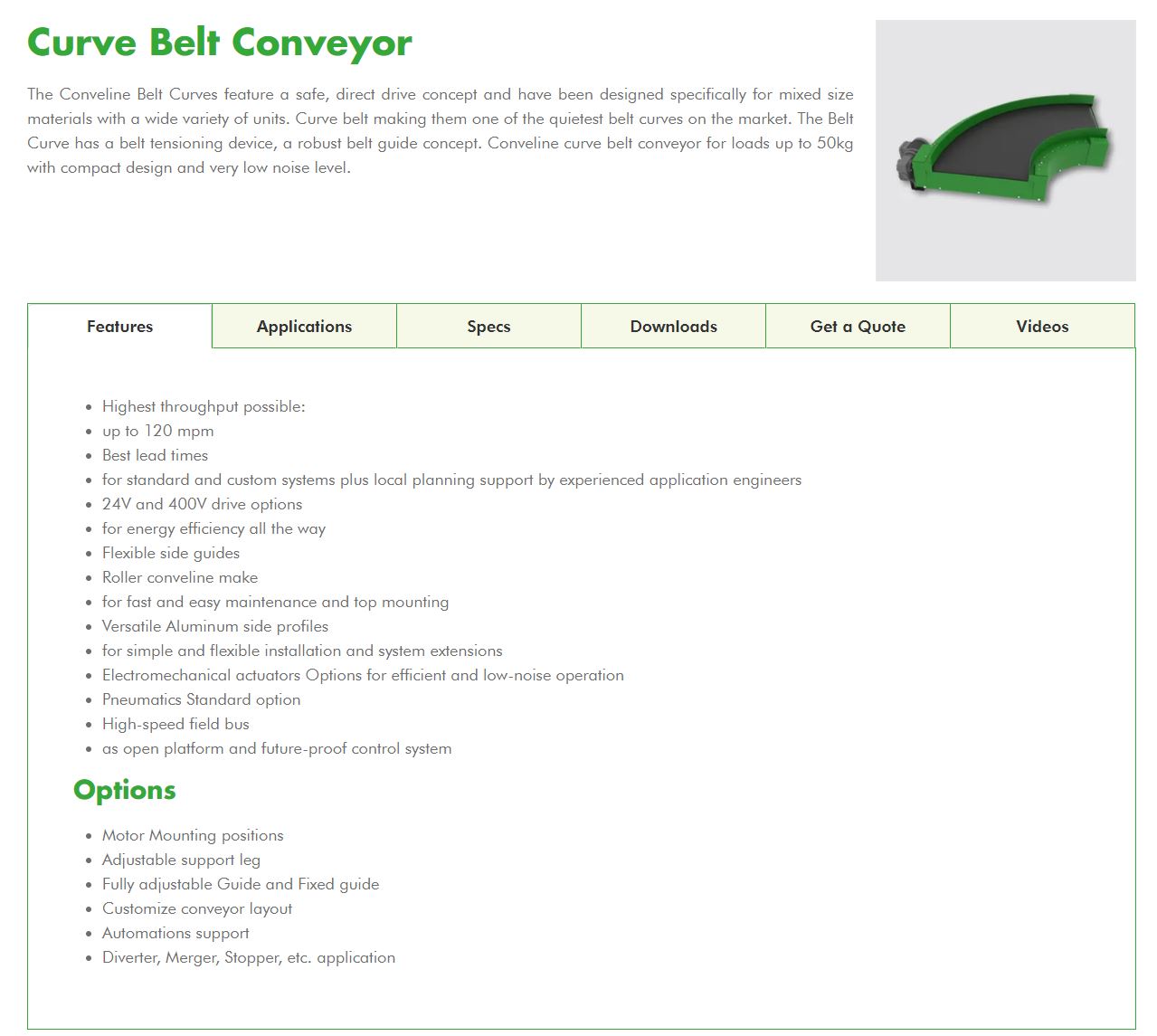
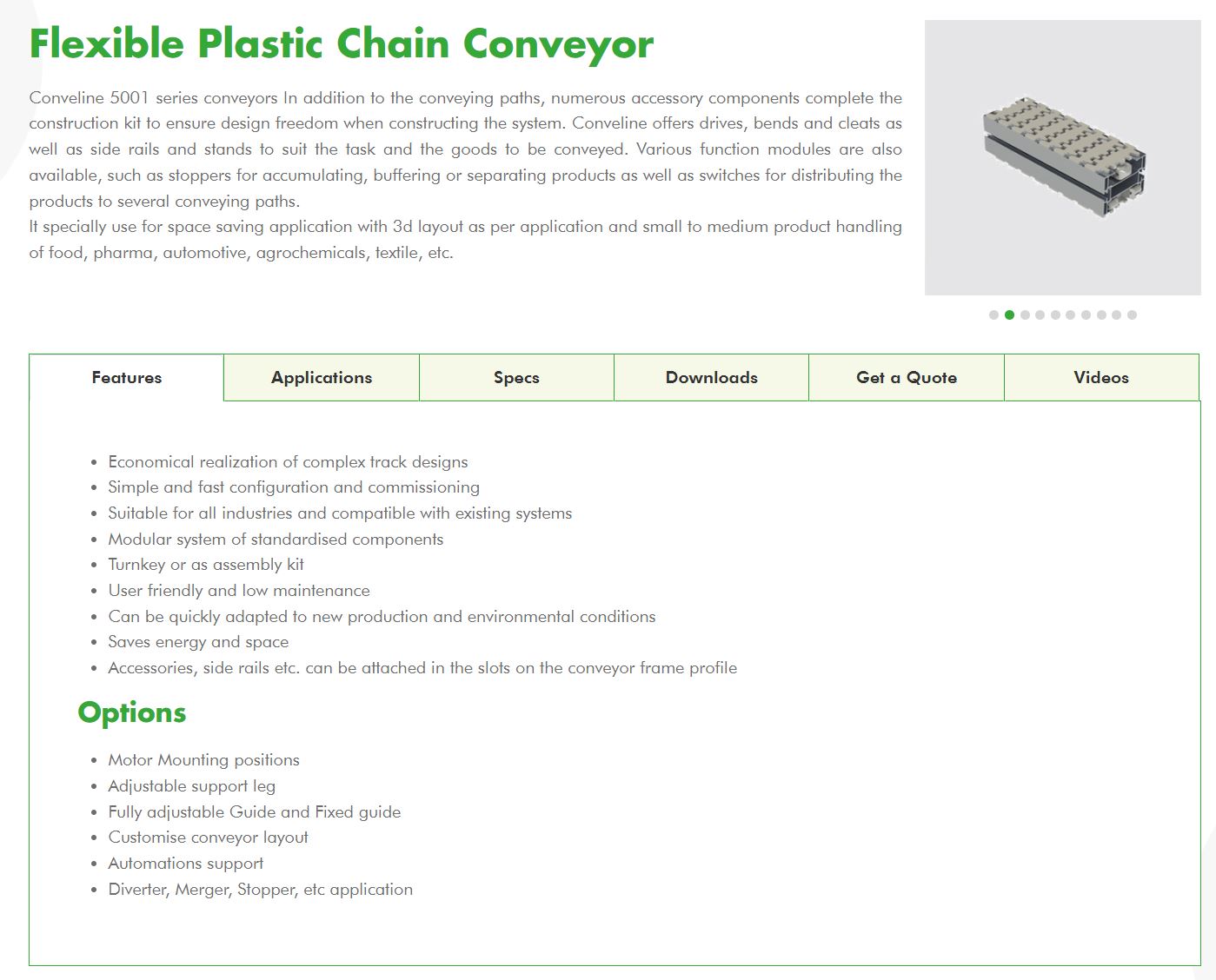
Several conveyor configurations are commonly used across food packaging operations. Belt conveyors handle a wide range of product sizes and weights, making them suitable for primary and secondary packaging lines. Modular plastic belt systems offer flexibility and easy cleaning for high-hygiene environments.
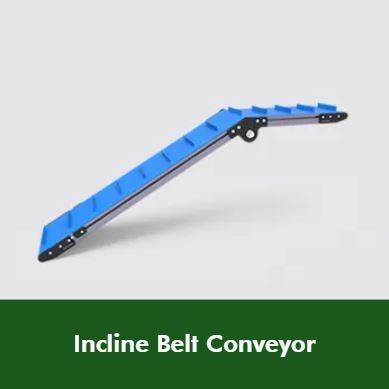
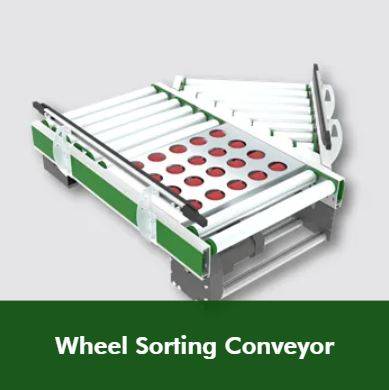
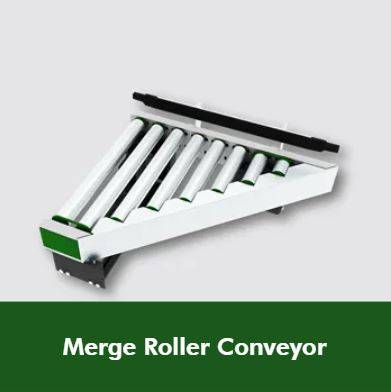
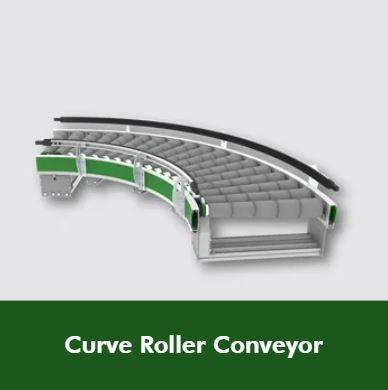
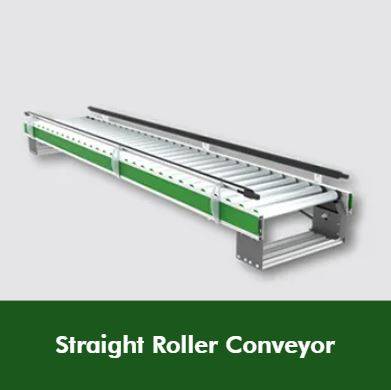
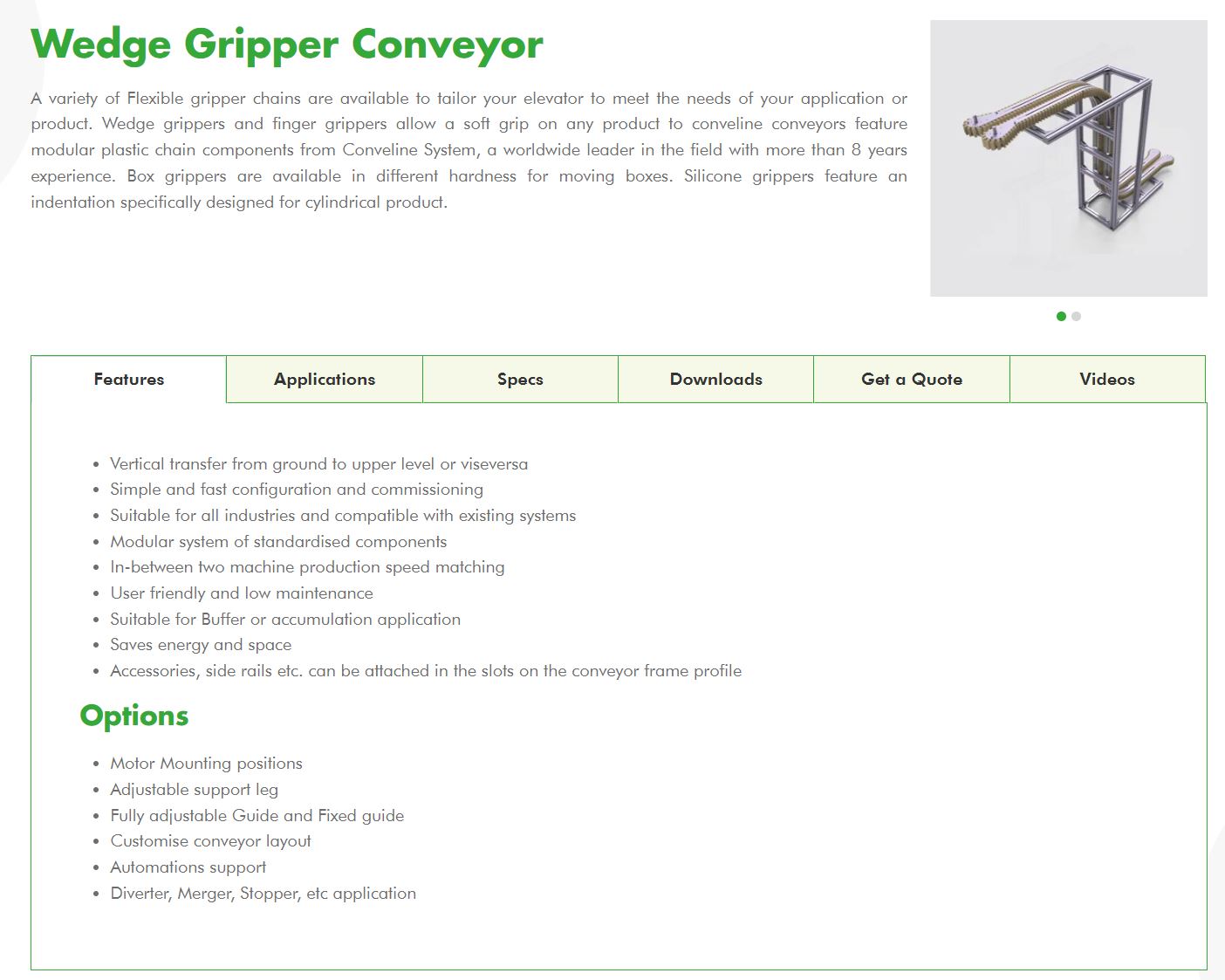
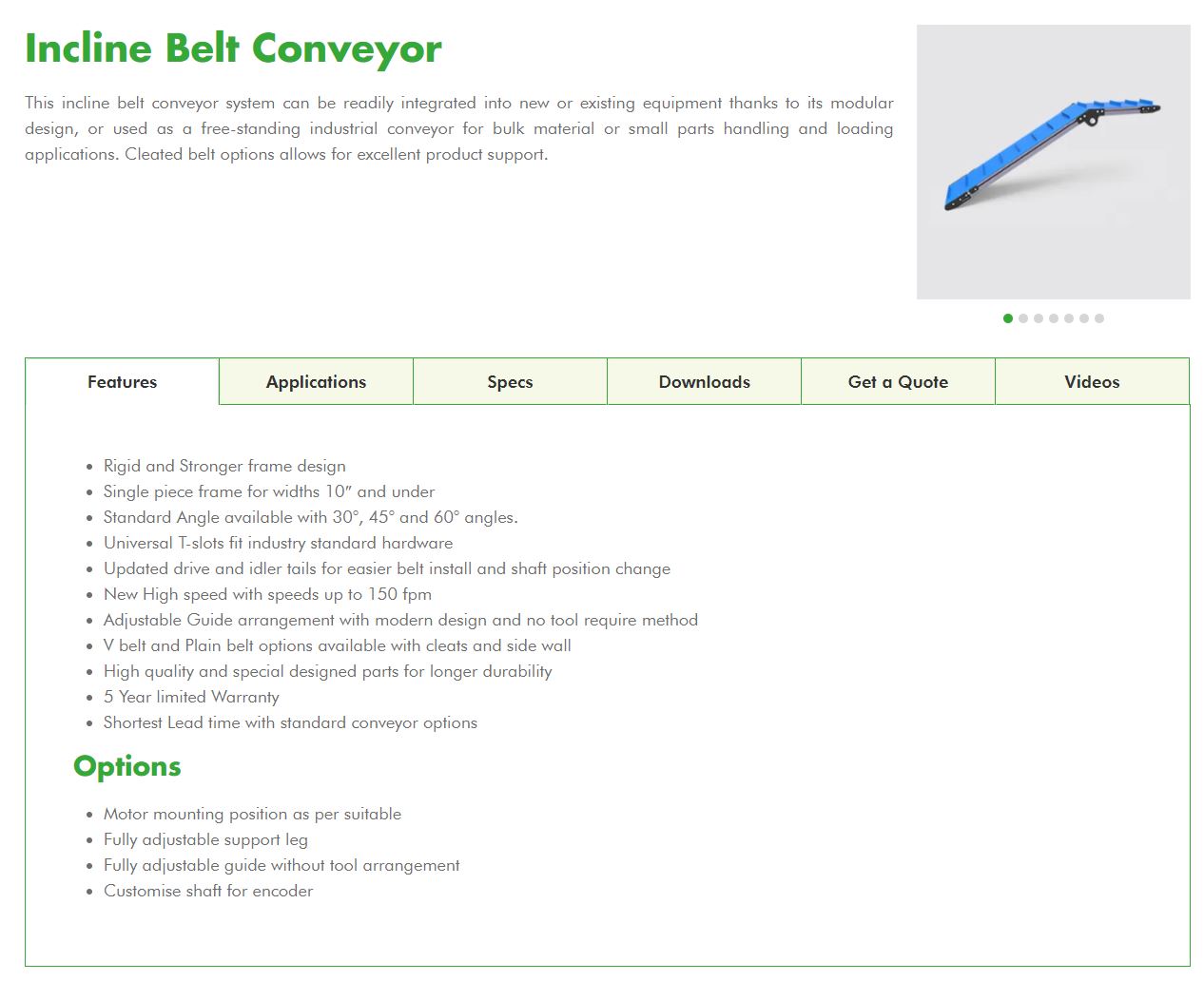
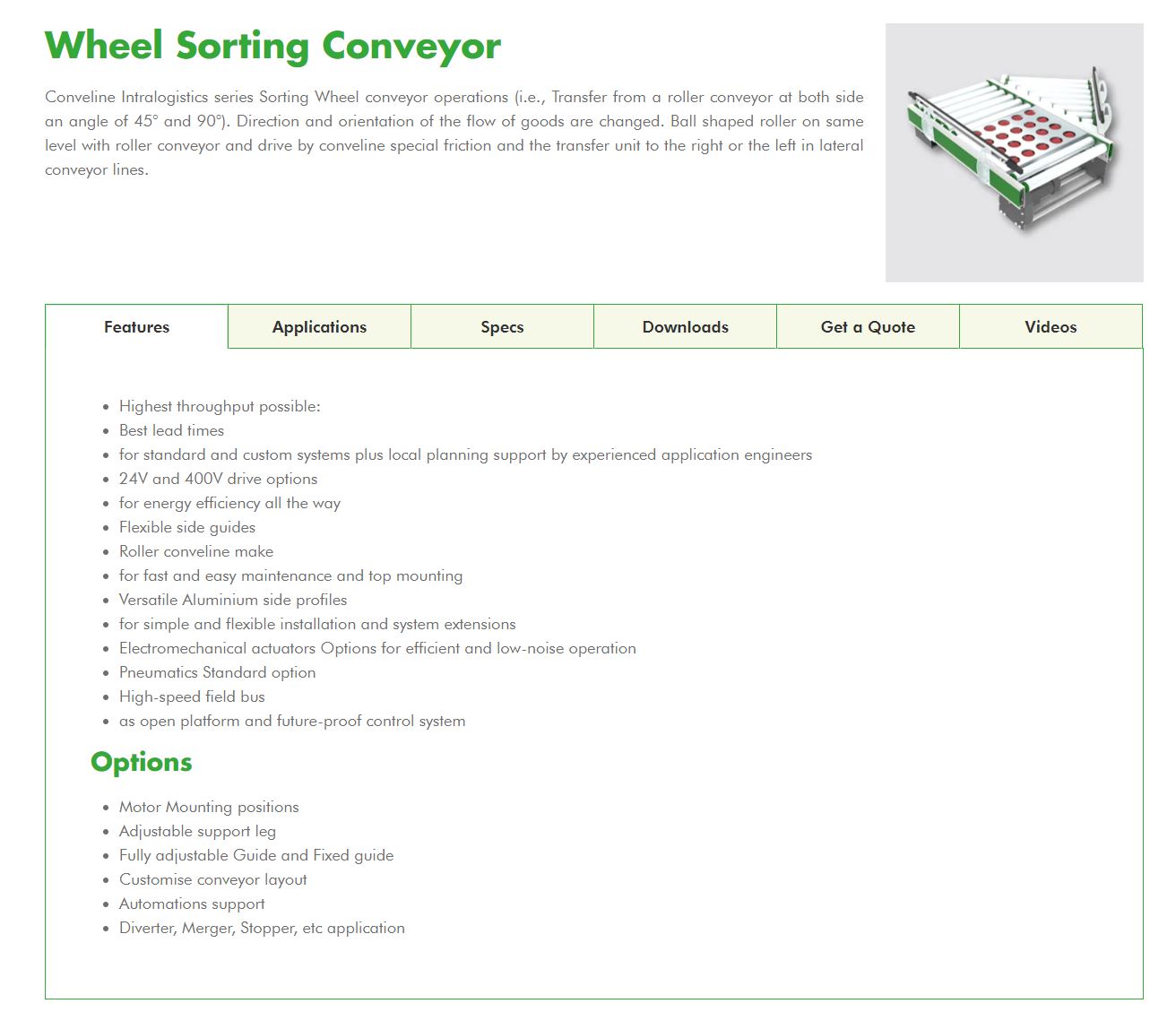
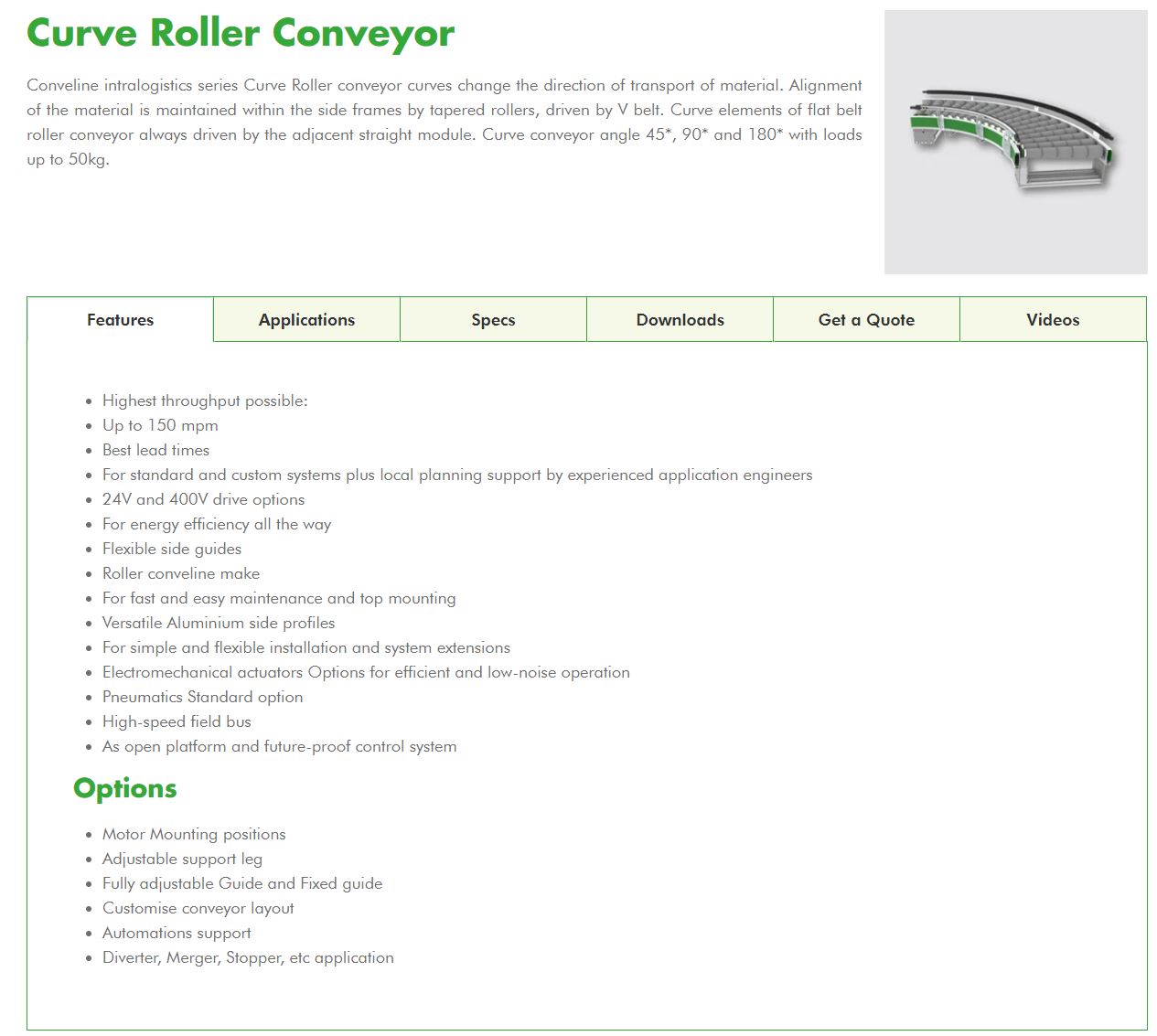
Roller conveyors are often used for packaged goods in cartons or cases, while overhead and incline conveyors manage elevation changes without disrupting product flow. A conveyor for food packaging is often integrated with automated equipment such as fillers, sealers, checkweighers, and palletizers to create a continuous, synchronized line.
Common Applications of Food Packaging Conveyors
Food packaging conveyors are used across diverse segments of the food industry. Bakeries rely on conveyors to transport products from ovens to cooling and wrapping stations. Meat and poultry processors use sanitary conveyor systems to move products through trimming, portioning, and packaging zones.
Frozen food facilities depend on conveyors designed for cold environments, while snack and confectionery producers use high-speed systems to manage large volumes of lightweight products. Across all applications, conveyors help maintain consistent spacing, orientation, and throughput.
Design Requirements for Food Packaging Conveyors
Design considerations for food packaging conveyors focus heavily on hygiene, durability, and efficiency. Materials must resist corrosion, withstand frequent washdowns, and meet food safety standards. Open-frame designs and minimal horizontal surfaces reduce debris accumulation and simplify cleaning procedures.
System layouts are engineered to prevent product damage and minimize the number of transfer points. Drives, bearings, and supports are selected to handle continuous operation without excessive maintenance. Proper belt tracking and tensioning ensure stable performance over long production runs.
Line Benefits of Using a Food Packaging Conveyor
A well-designed food packaging conveyor improves line efficiency by reducing manual handling and maintaining a steady product flow. Consistent movement supports accurate filling, sealing, and labeling, which helps reduce waste and rework. Automation integration further enhances throughput while improving operator safety.
Conveyors also provide scalability, allowing packaging lines to adapt to new products or increased volumes with minimal disruption. By maintaining a predictable flow, conveyors contribute to better scheduling, improved inventory control, and greater operational reliability.
Choosing the Right Conveyor for Food Packaging Applications
Selecting the appropriate conveyor system depends on product characteristics, packaging formats, and production goals. Factors such as belt material, speed, load capacity, and sanitation requirements guide system configuration. Customization often plays a key role, ensuring that conveyors integrate seamlessly with existing equipment and floor layouts.
Partnering with an experienced system provider helps ensure that design choices align with both current needs and future expansion plans.
Maintenance and Long-Term Performance Considerations
Long-term performance relies on thoughtful design and proactive maintenance. Accessible components, standardized parts, and clear wear indicators simplify inspections and servicing. Routine monitoring of belts, drives, and bearings helps prevent unexpected downtime and supports consistent output.
Food Packaging Conveyors as the Backbone of Efficient Packaging Lines
Efficient food packaging operations depend on conveyor systems engineered for hygiene, reliability, and continuous performance. From system selection to long-term operation, design quality directly influences productivity and product integrity. Conovey delivers customized food packaging conveyor solutions designed to support demanding production environments and evolving packaging needs.
For operations seeking dependable systems built by experienced food conveyor manufacturers, Conovey offers engineered solutions that keep packaging lines moving. Connect with Conovey today to discuss system requirements.