The Ultimate Guide to Finding the Perfect Conveyor Solutions for Your Distribution Center

Tracing the Development of Conveyor Belts over Time
March 28, 2023
The Cost-Benefit Analysis of Investing in High-Quality Refrigeration Units for Spiral Freezers
April 13, 2023
Creating an efficient distribution environment begins with selecting a conveyor system that supports accuracy, throughput, and long-term operational stability. A well-designed setup ensures products flow smoothly across all handling stages, from receiving to shipping, while also reducing labor strain and minimizing operational delays. This guide outlines a practical framework for choosing a conveyor network that aligns with real facility needs, supports future expansion, and ensures reliable performance.
Evaluating Operational Requirements
Every successful conveyor project begins with evaluating the material handling challenges within the facility. This includes reviewing product dimensions, weight ranges, surface characteristics, handling sensitivity, and daily volume expectations. Facilities working with cartons, totes, apparel, electronics, or mixed-SKU assortments each require different levels of control.
A detailed assessment allows decision-makers to understand what type of equipment and layout structure is suitable. This analysis forms the basis for selecting high-performing industrial conveyor systems that can manage present tasks while accommodating long-term operational changes
Matching Conveyor Type to Product Flow
With product characteristics and throughput defined, the next step is choosing the appropriate conveyor category. Different applications require different mechanical functions, and selecting the right type ensures smooth workflow and reliable capacity.
Common options used in modern distribution center conveyor systems include:
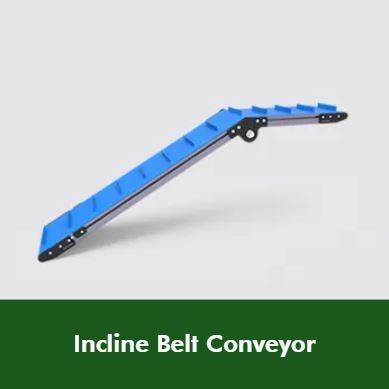
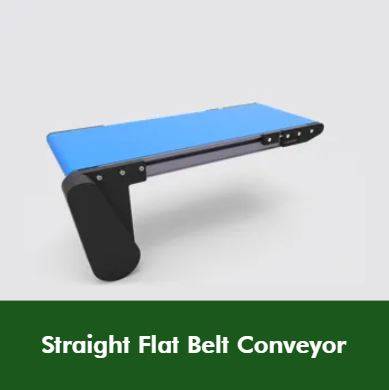
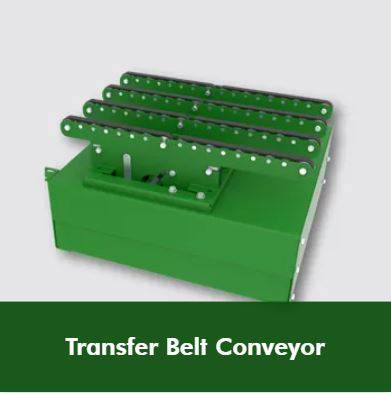
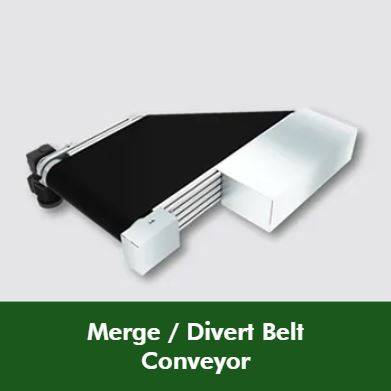
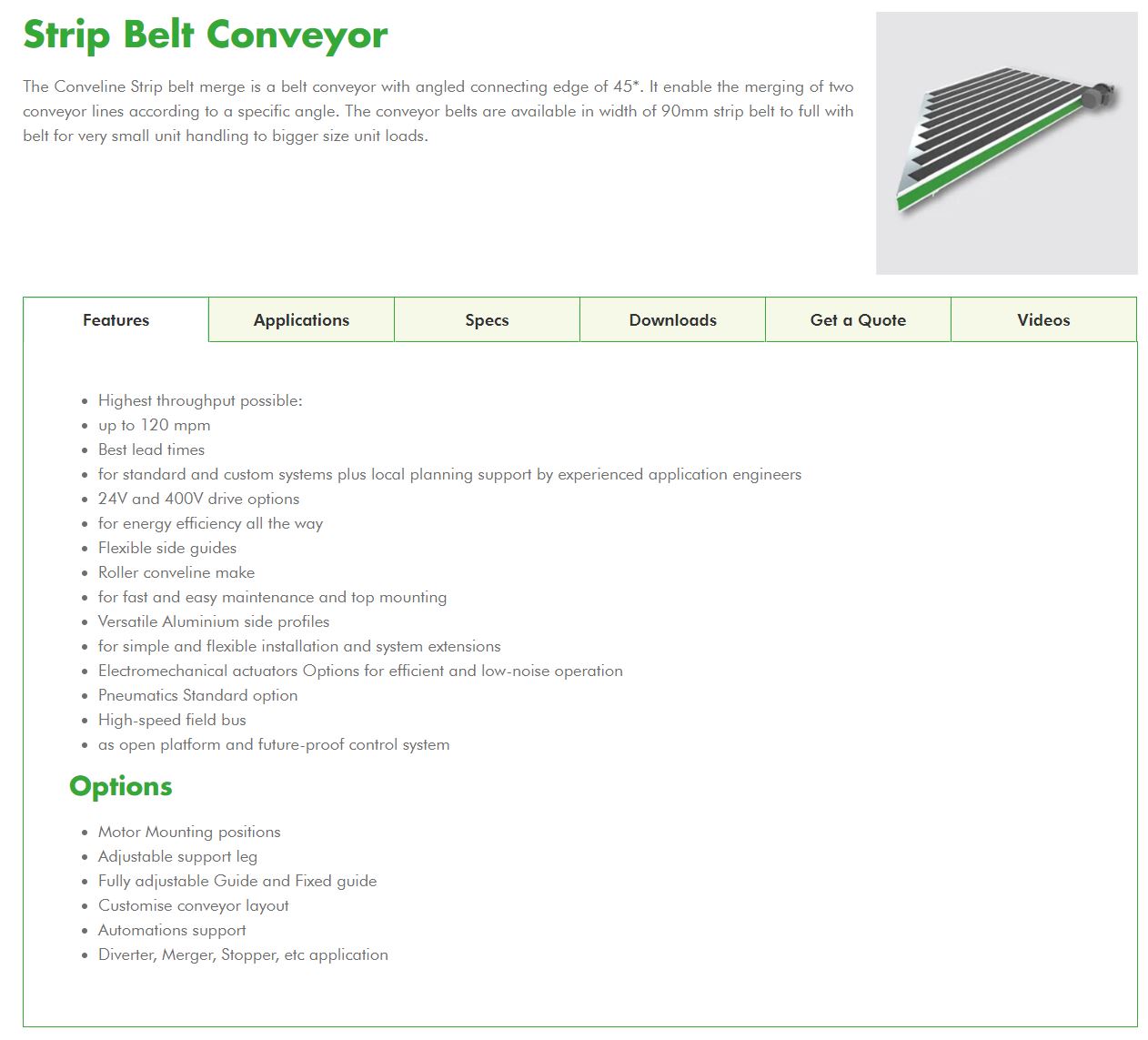
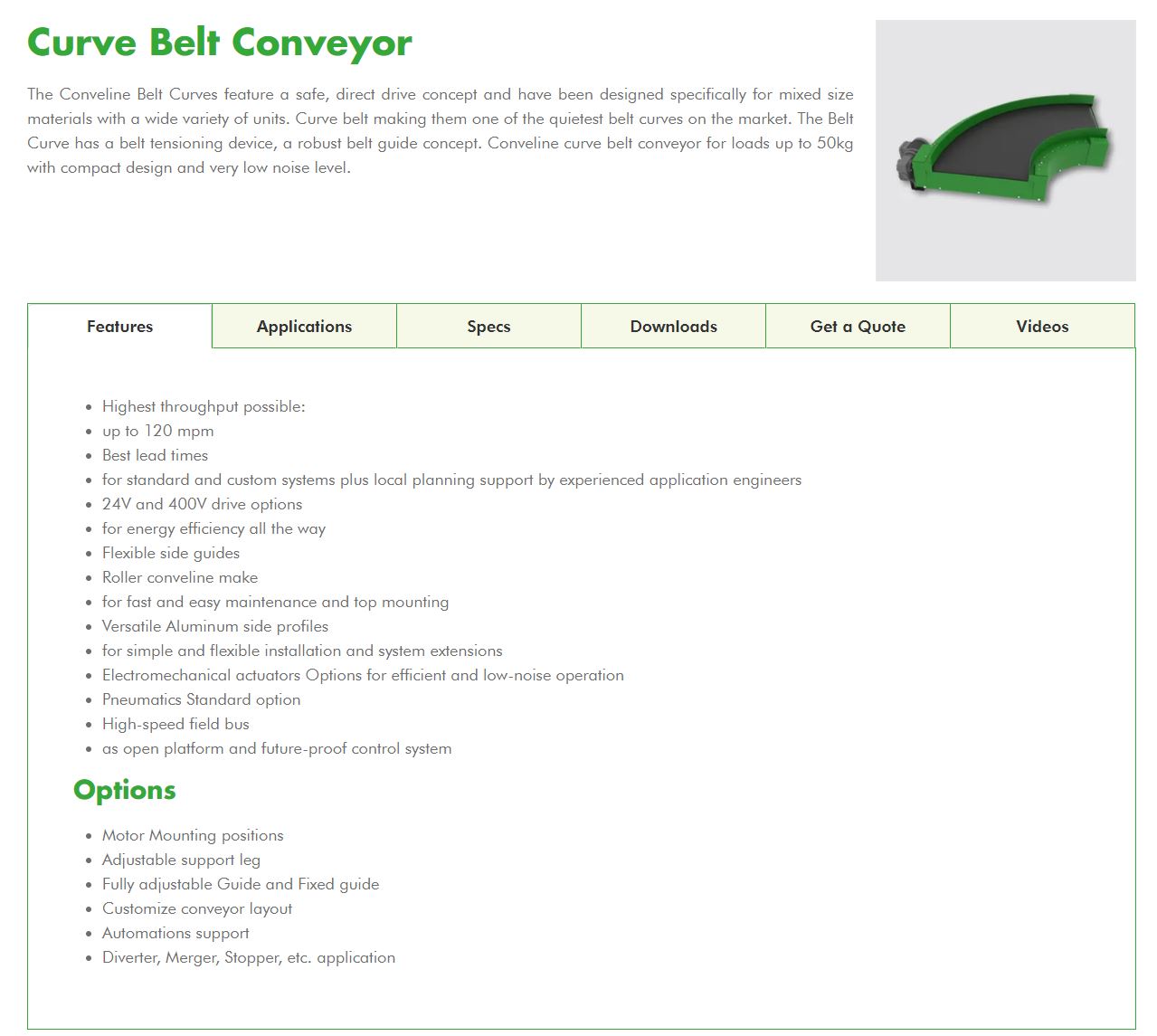
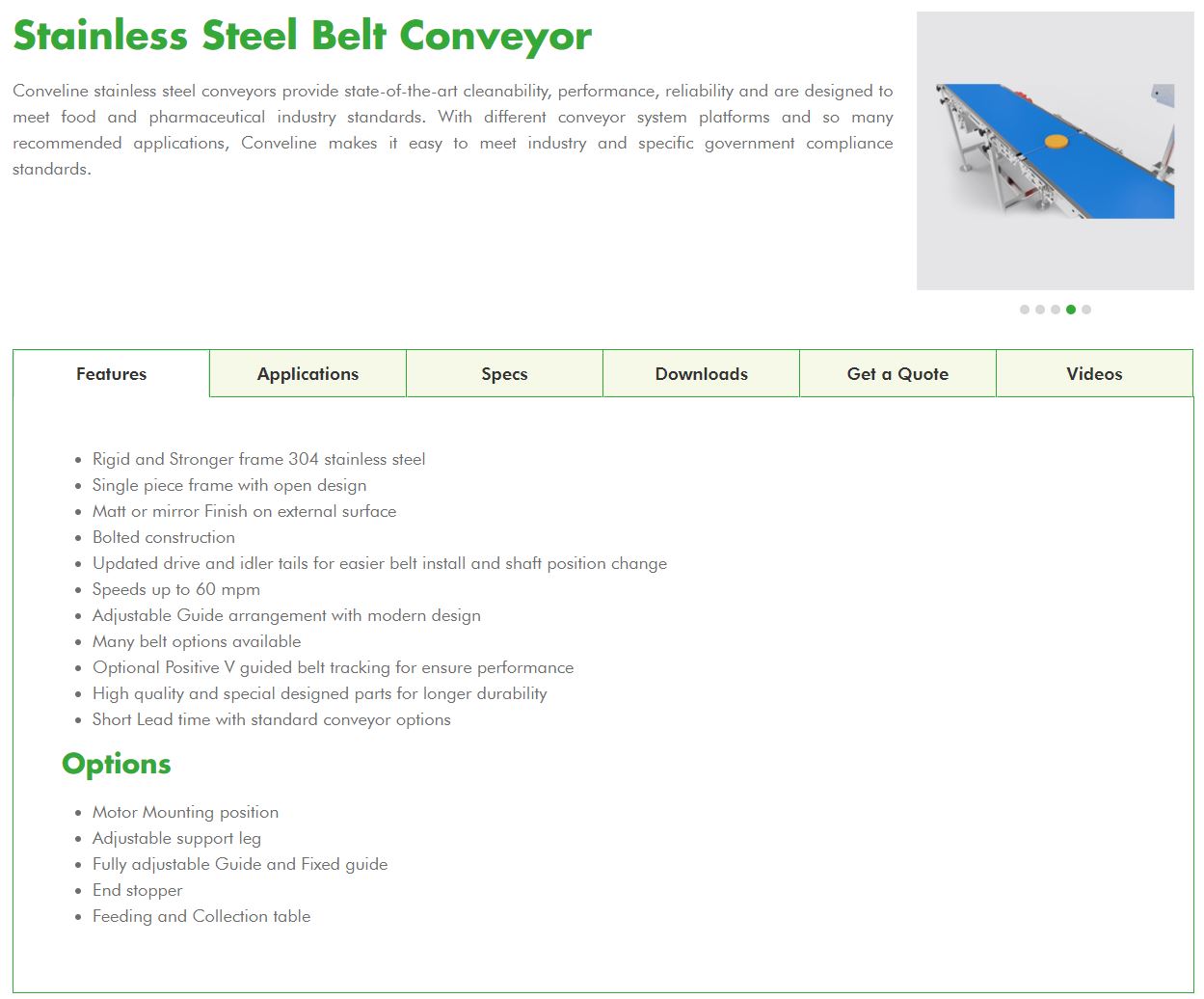
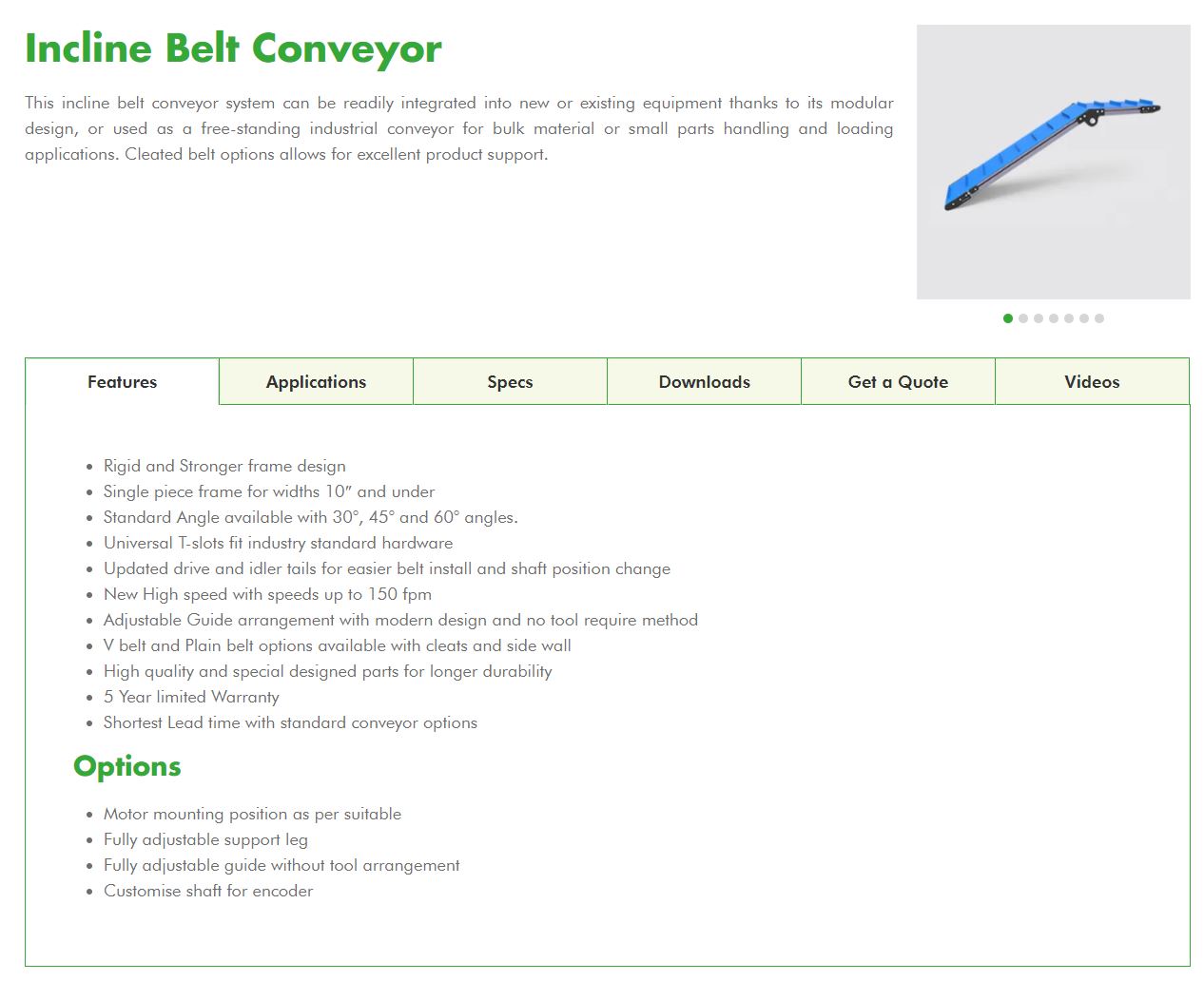
- Belt conveyors for stable transport of small packages and irregular items
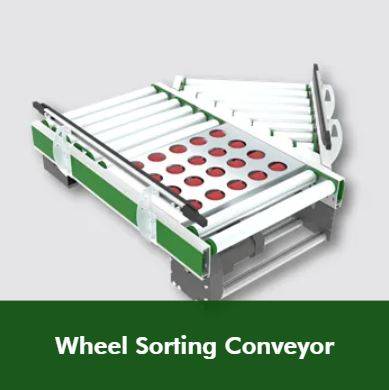
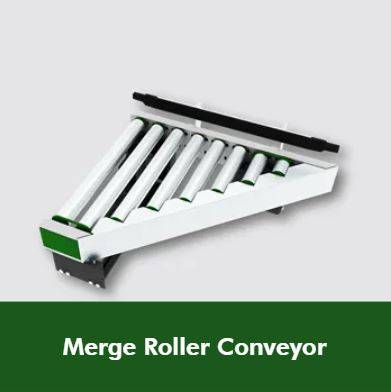
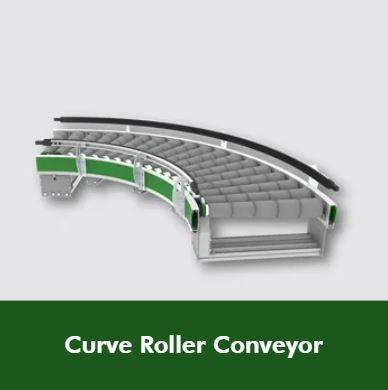
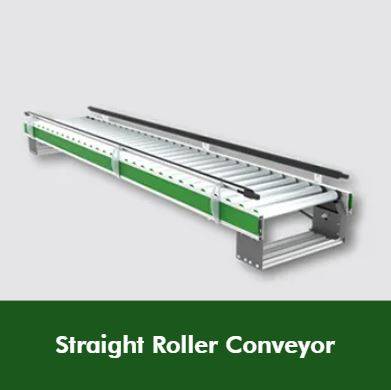
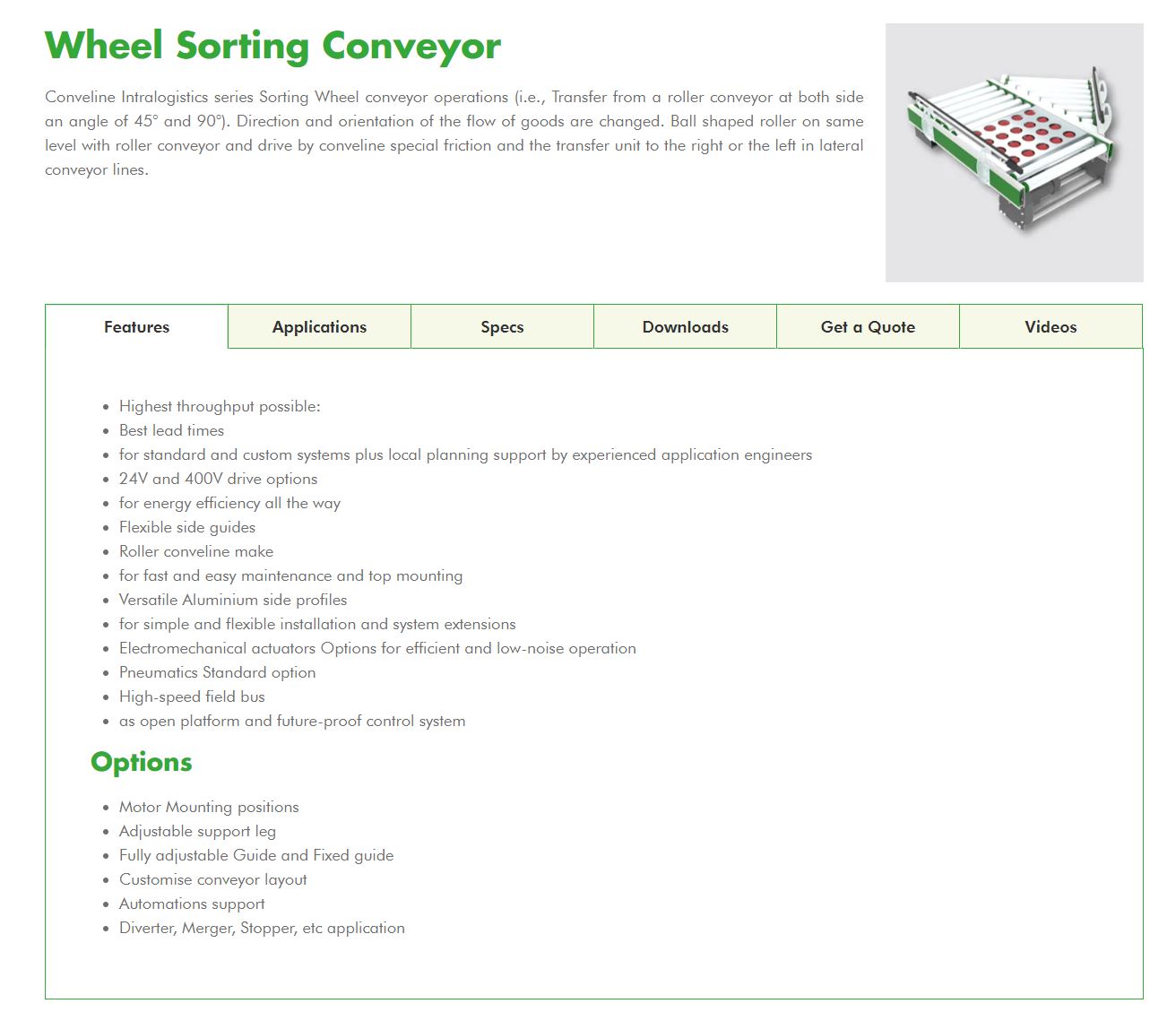
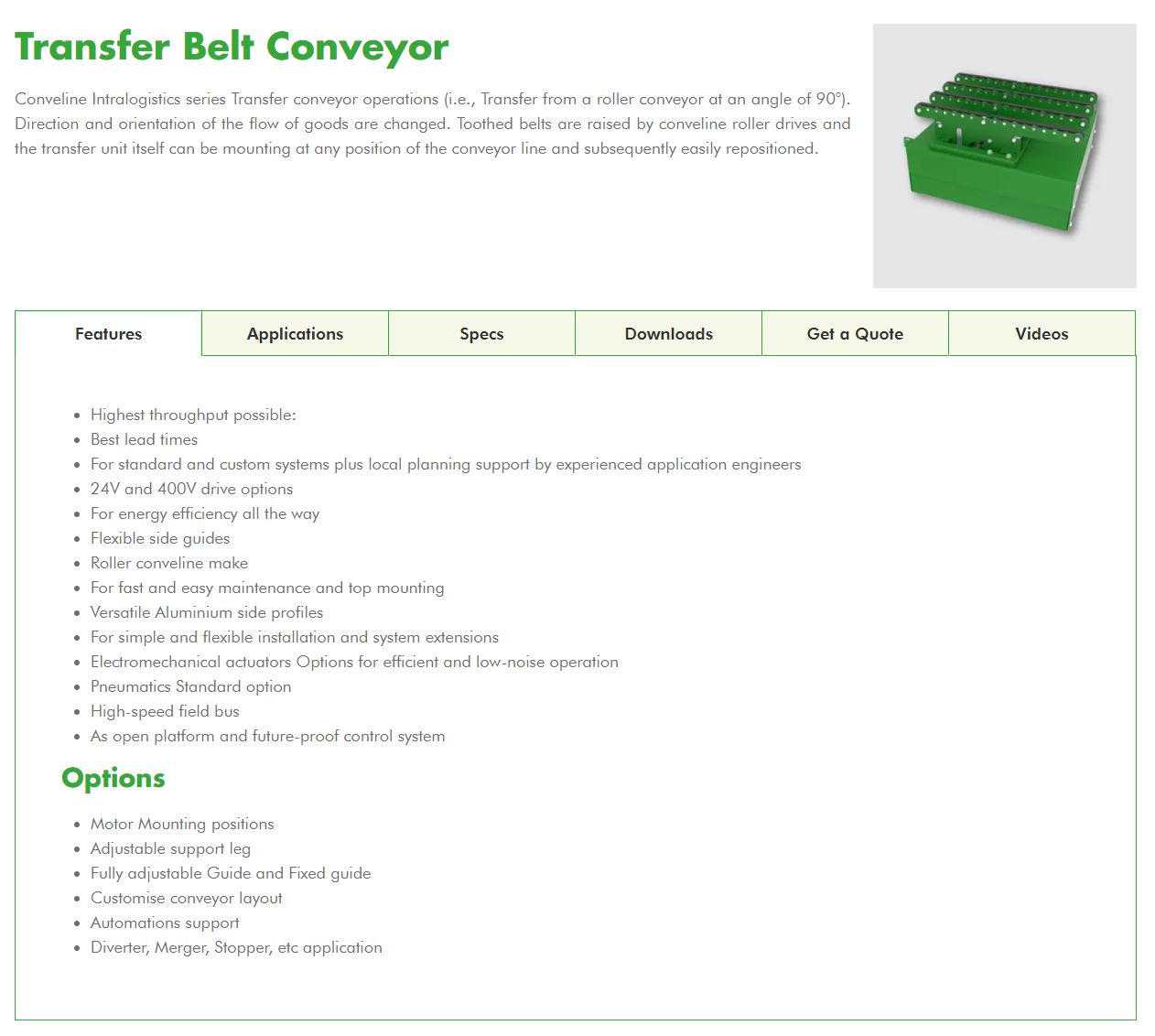
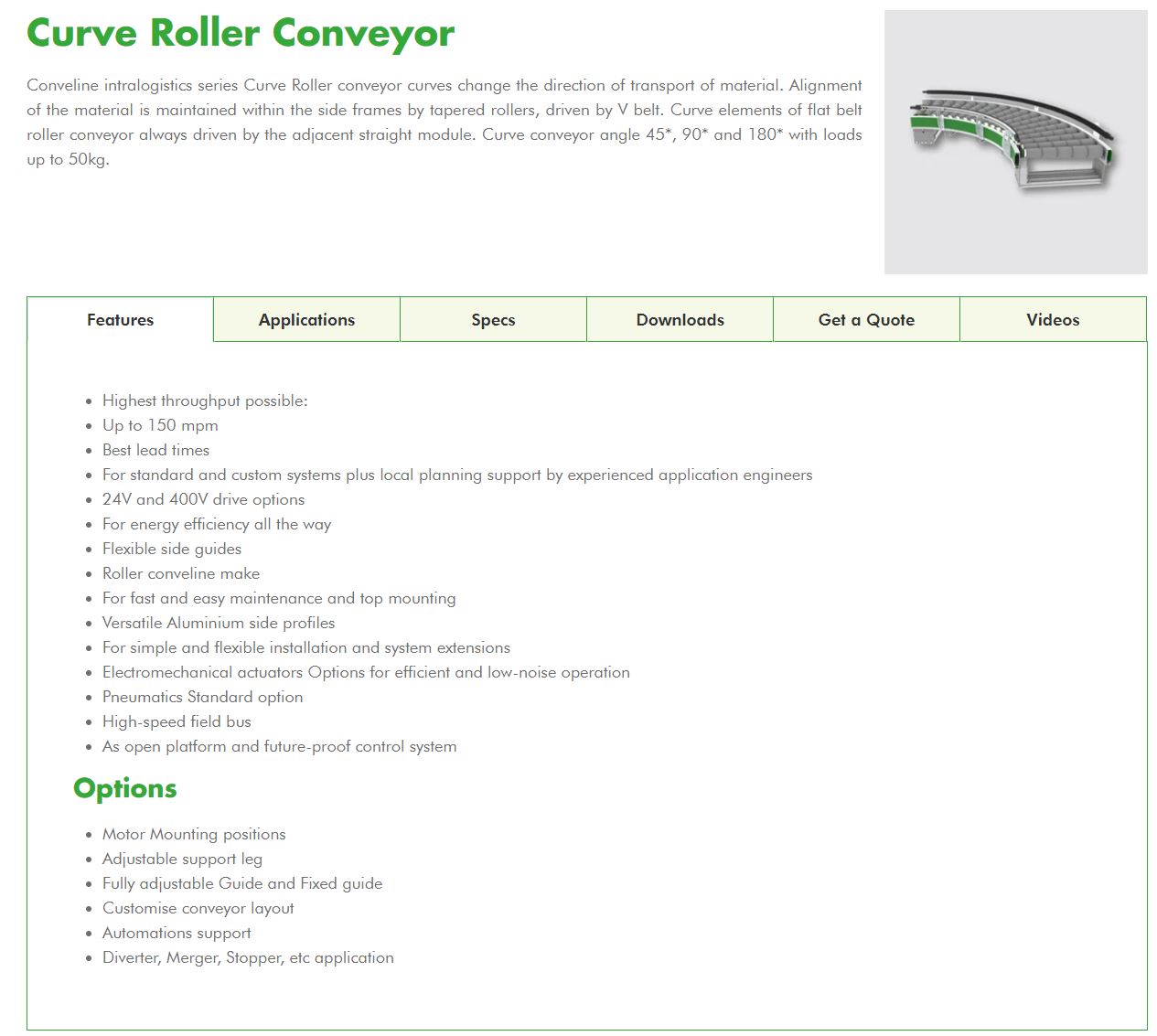
- Roller conveyors for cartons, totes, and higher-weight products
- Gravity conveyors for low-energy movement within sloped paths
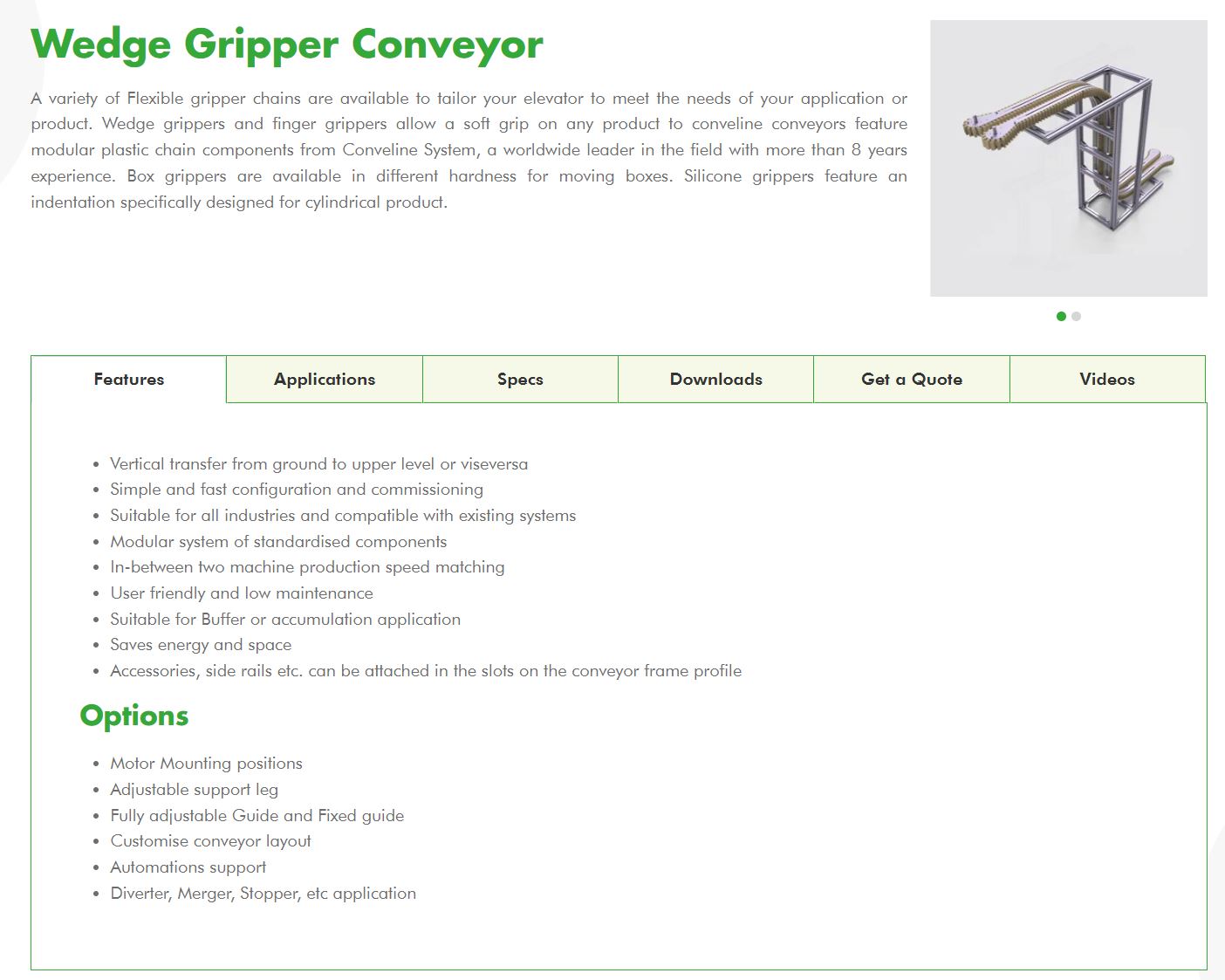
- Vertical conveyors for facilities aiming to use overhead space
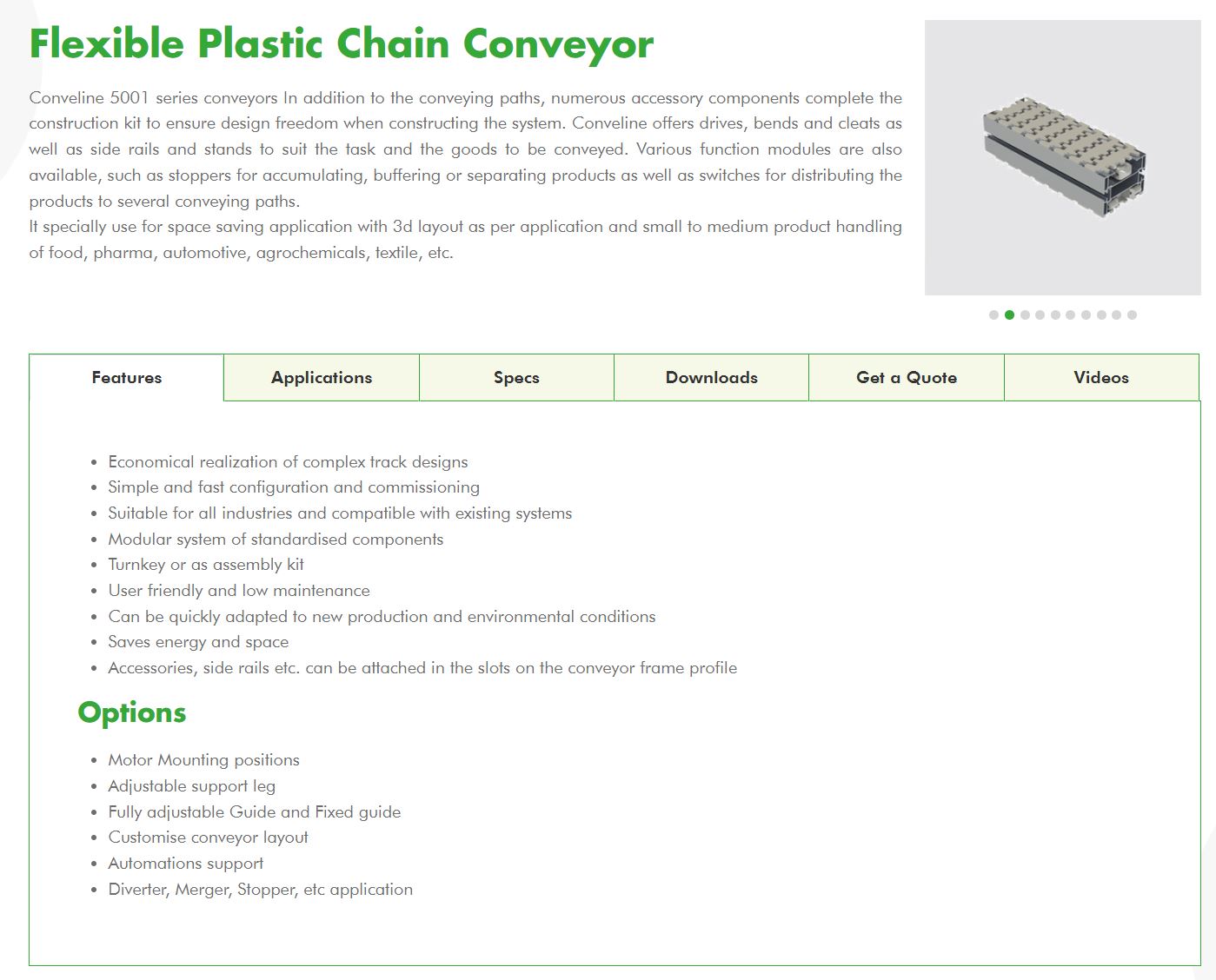
- Chain or slat conveyors for applications requiring precise orientation control
Selecting the correct conveyor ensures products move consistently and safely through the facility while maintaining predictable output rates.
Designing an Efficient Layout
A well-developed conveyor layout directly impacts productivity. Proper alignment of conveyor paths with picking, packing, storage, and shipping areas ensures a smooth operational rhythm. The layout should reduce unnecessary travel, eliminate choke points, and promote steady product flow.
Organizations collaborating with experts in conveyor systems Ontario often benefit from facility-specific planning that considers ceiling height, aisle spacing, process sequence, and available square footage. Modular structures make it easier to expand or reconfigure the conveyor line as operational demands evolve. This ensures the system continues to meet performance requirements without requiring a complete rebuild.
Incorporating Scalability, Serviceability, and Safety
To secure long-term reliability, the conveyor network must be scalable and service-friendly. Equipment should provide easy access for inspection and maintenance, supporting quick adjustments or repairs with minimal disruption.
Safety features such as guards, emergency stop stations, controlled access zones, and clear operational pathways should be integrated into the system design. These measures protect employees, products, and equipment while ensuring compliance with standard industrial safety practices.
Working with experienced conveyor suppliers ensures these elements are considered early in the planning process. Professional guidance helps achieve long-term system stability and reduces the risk of costly design errors.
Why Expert Collaboration Matters
Partnering with professionals who specialize in conveyor solutions provides access to valuable industry insights and technical knowledge. These teams help evaluate product requirements, identify ideal equipment types, design tailored layouts, and manage installation with precision.
Expert-led projects typically achieve better system flow, enhanced throughput, and improved integration with automation technologies or warehouse software. The right support ensures the conveyor network performs reliably under real operational conditions.
Building a Future-Ready Distribution Center
A high-performance conveyor system contributes directly to productivity, accuracy, and operational consistency. Facilities that invest in properly engineered industrial conveyor systems benefit from smoother workflows, reduced handling time, and improved coordination across all departments.
With the right layout, equipment type, and support from trusted conveyor suppliers, a distribution facility can build a durable infrastructure that supports present demands and adapts easily to future needs. The combination of strong engineering and thoughtful planning ensures stable long-term performance.
Conclusion
Effective conveyor planning is a strategic investment that strengthens the core of any distribution operation. Facilities seeking to enhance efficiency or implement new systems can contact us for customized guidance, layout development, and complete project support. Our team specializes in developing reliable distribution center conveyor systems, advanced conveyor solutions, and optimized designs for businesses across conveyor systems Ontario and beyond.